Key takeaways
- Floor drains need water in the trap to block odors
- Lint and detergent narrow the laundry line
- Check floor drains before spring and fall rains
- Keep the area around drains clear
Keep traps full
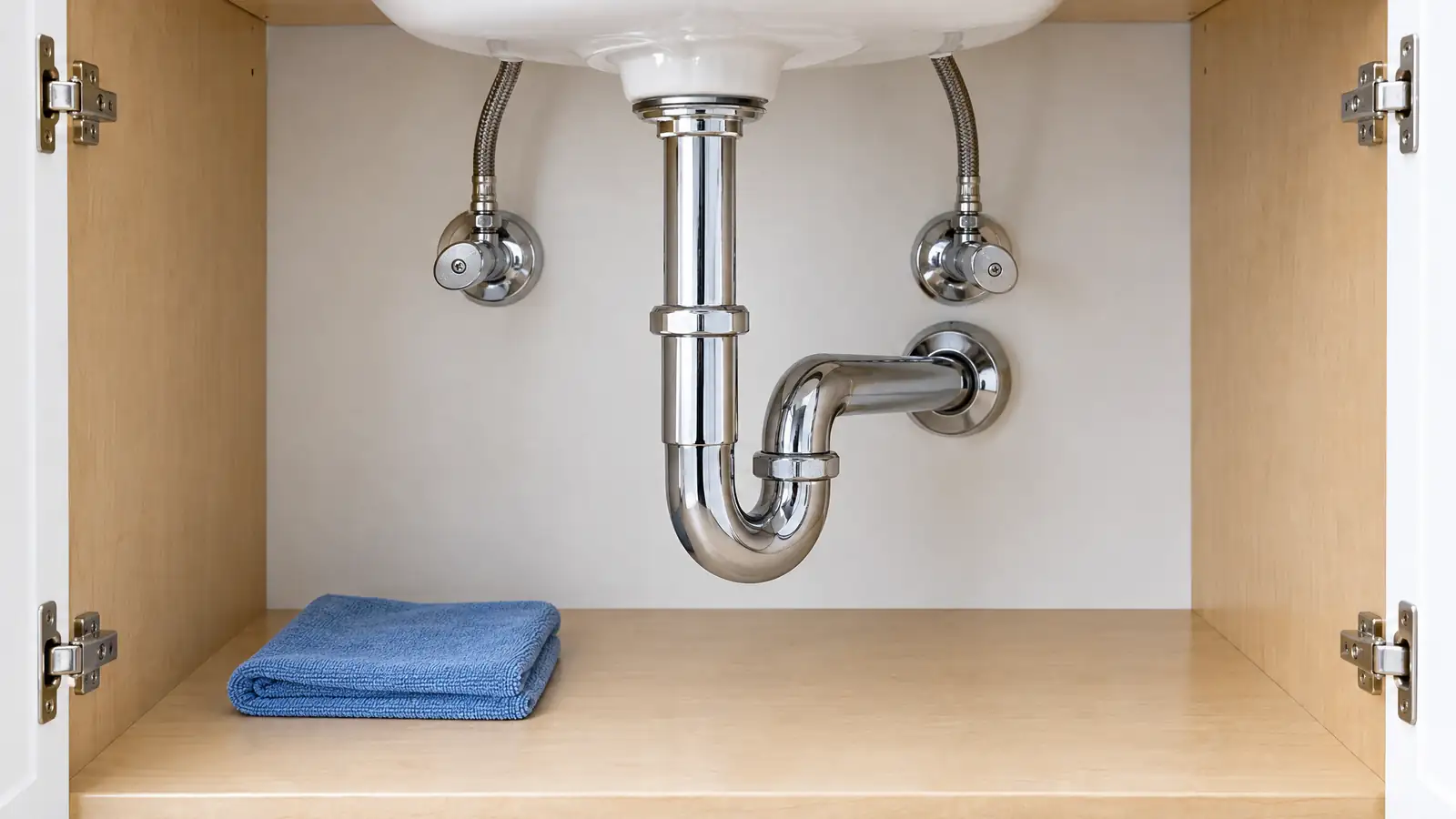
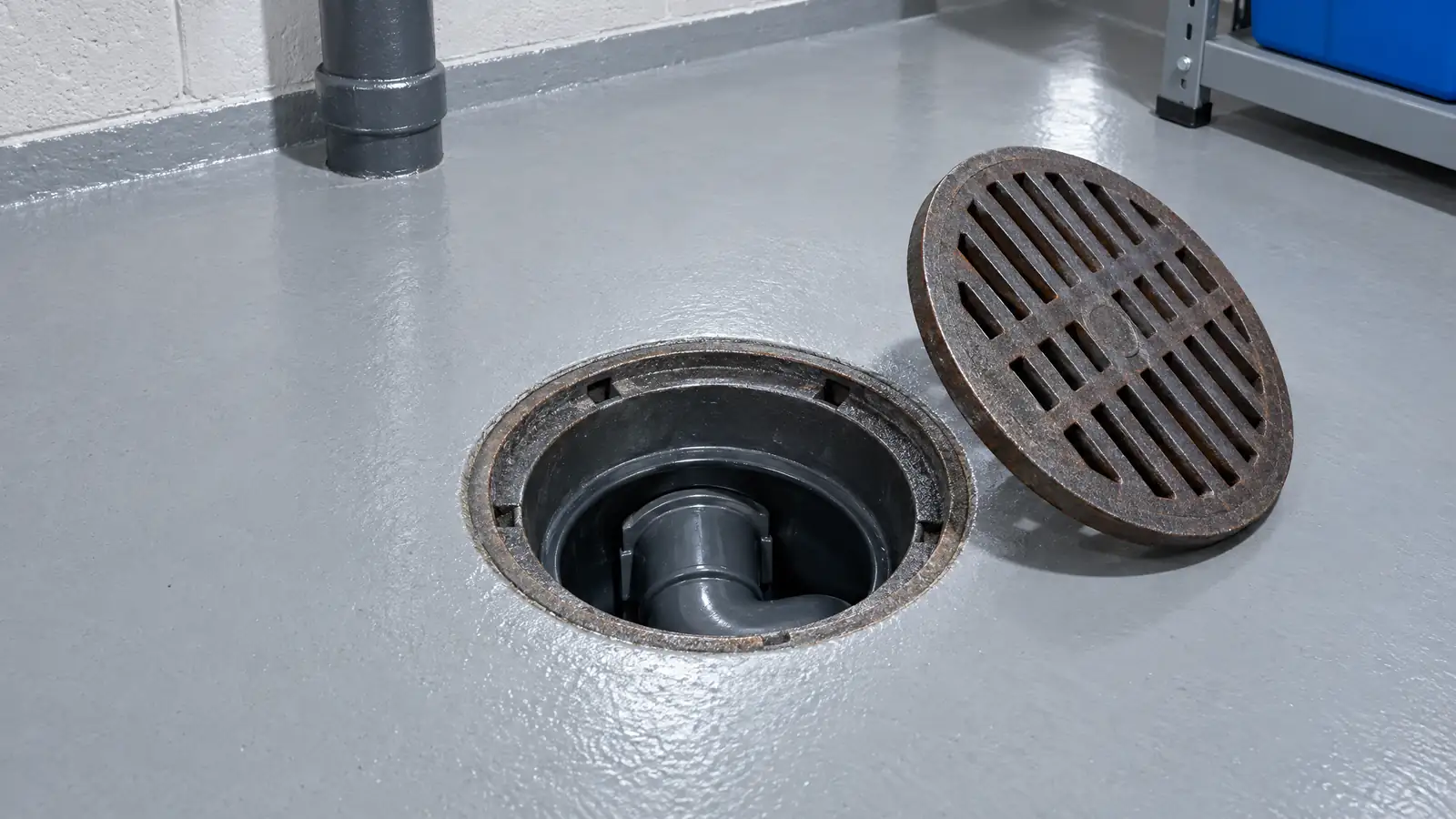
A floor drain has a trap, a curve that holds water as a seal against sewer air. When the water evaporates, odors come up. Pour a pitcher of water into every floor drain once a month, and add a spoonful of cooking oil on top to slow evaporation.
This simple habit stops a lot of basement smells.
Look before the rain
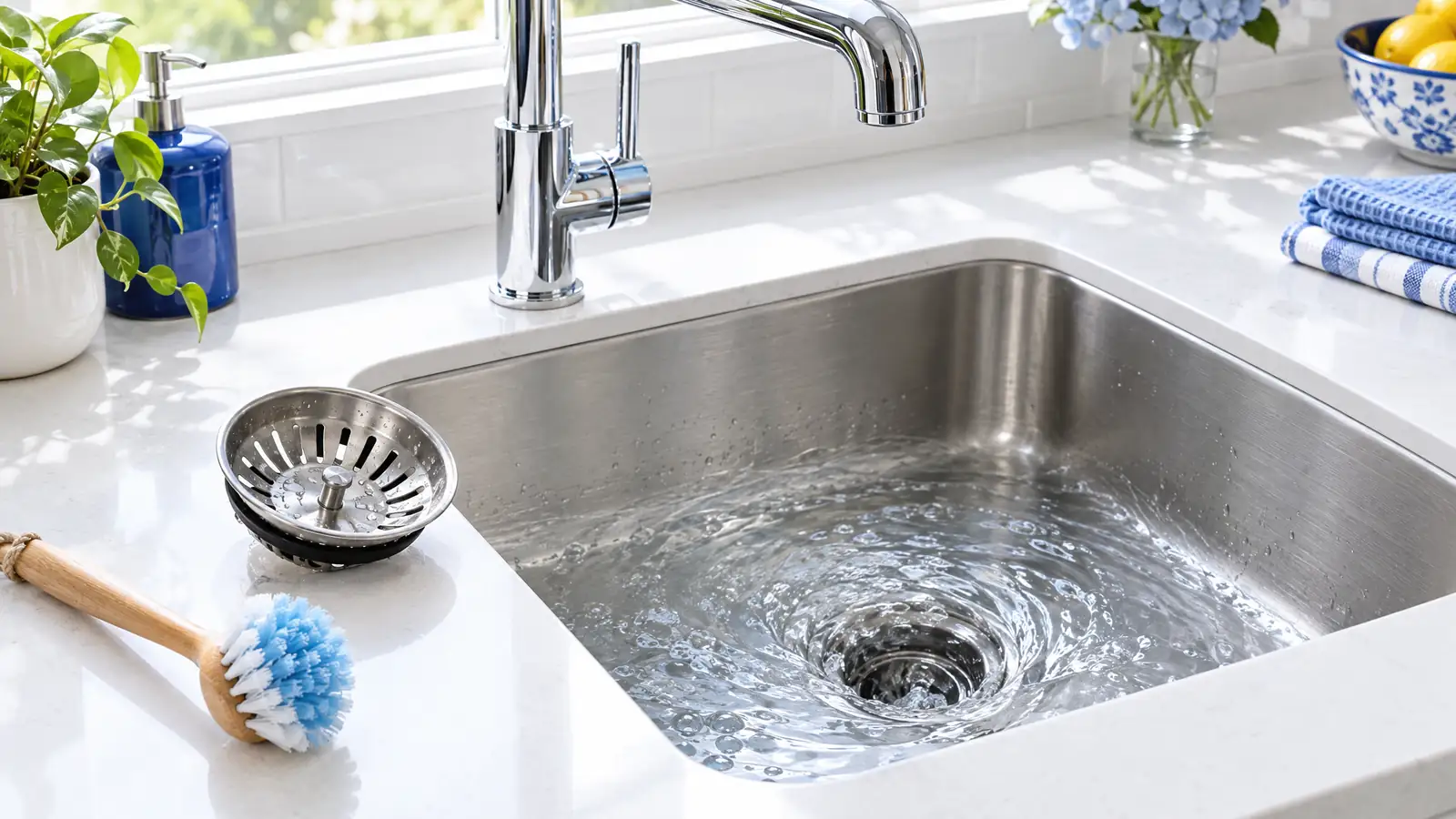
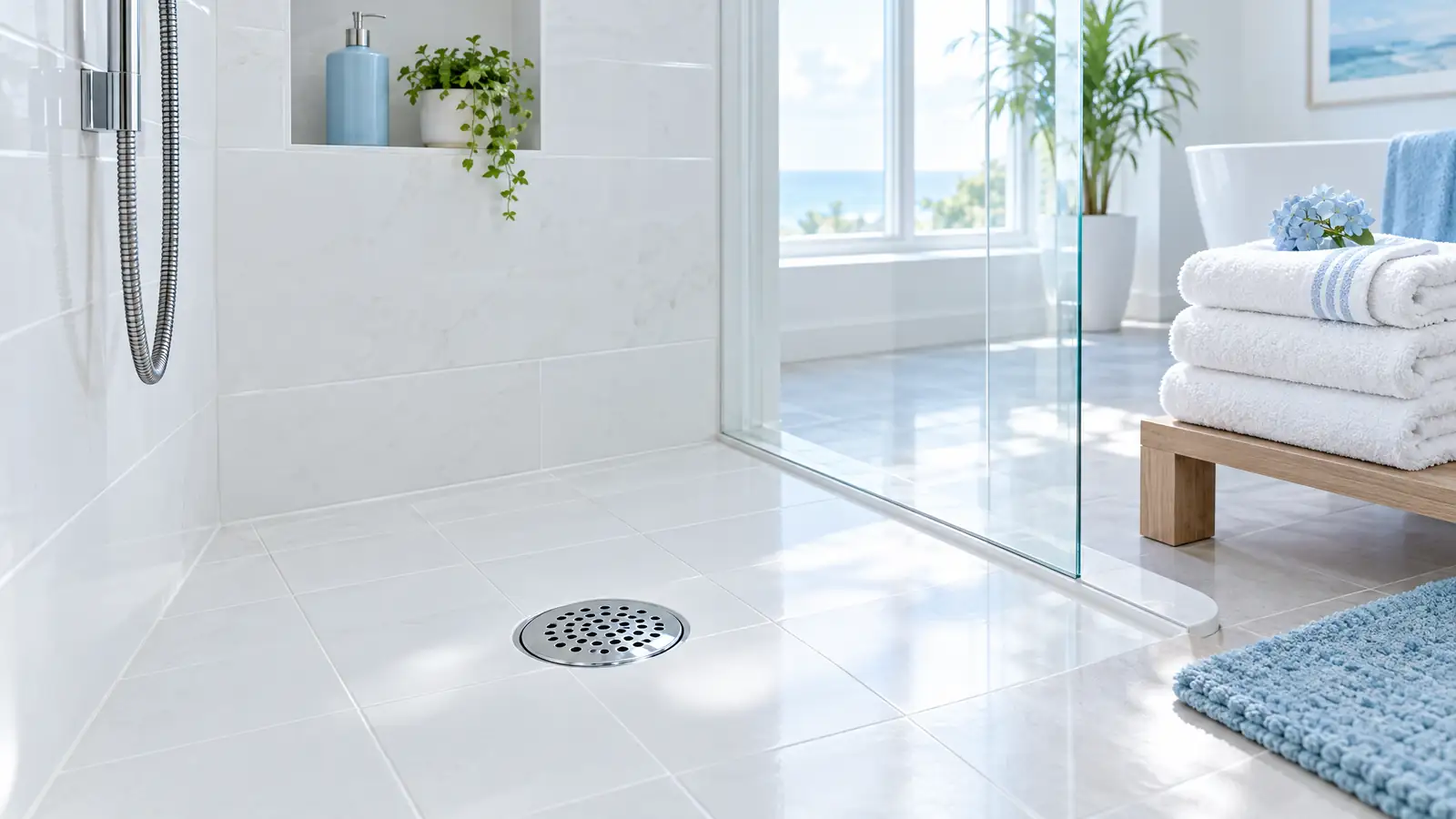
Twice a year, lift the grate and look for silt, debris and slow flow. Remove what you can reach, rinse and refill. If the drain looks slow, or water has ever come up through it, a professional cleaning and check is worth scheduling.
Keep the grate in place so it does not become a trip hazard.
Treat the washer drain well
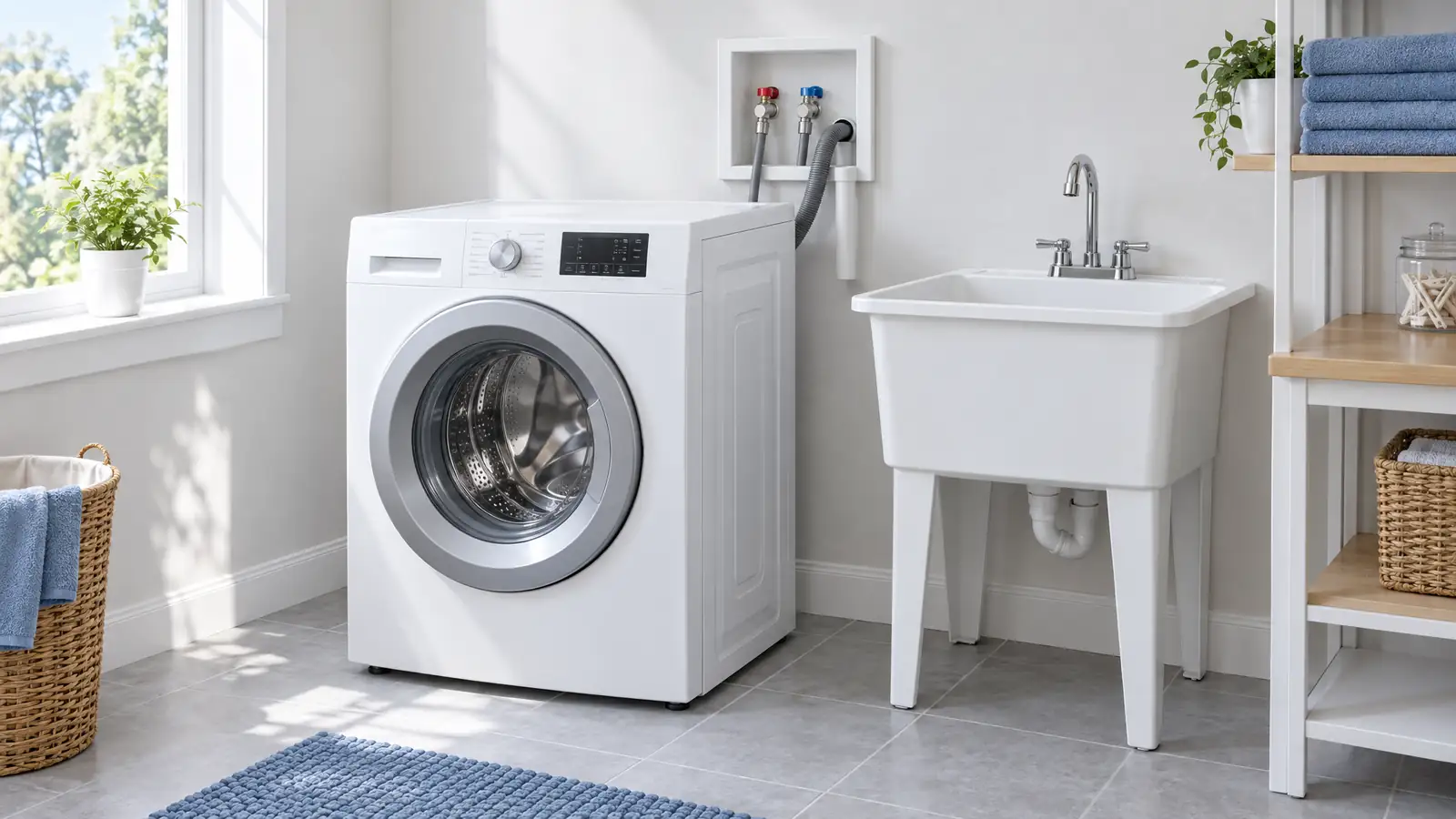
Lint, hair, softener and detergent coat the standpipe over time. Use a lint trap or a filter bag on the drain hose, avoid overloading detergent and watch for gurgling during the drain cycle, which is the first sign of narrowing.
A slow standpipe is a good reason to book a laundry drain visit.
Keep the area clear
Do not store boxes or chemicals over floor drains, and keep the area free of stored items so water has somewhere to go and we can reach the drain. Check around the washer for dampness and leaks too.
Clear access makes every visit quicker.
Quick answers
How often should I refill the trap?
Monthly is a good habit for rarely used drains.
Is a smell from the floor drain dangerous?
Sewer odors are unpleasant and can be a sign of a dry trap or a vent problem. If a smell persists after refilling, call.
Ready to put this on a schedule?
Call (615) 952-0844 or send the form below, and we will suggest a plan for your property.