Key takeaways
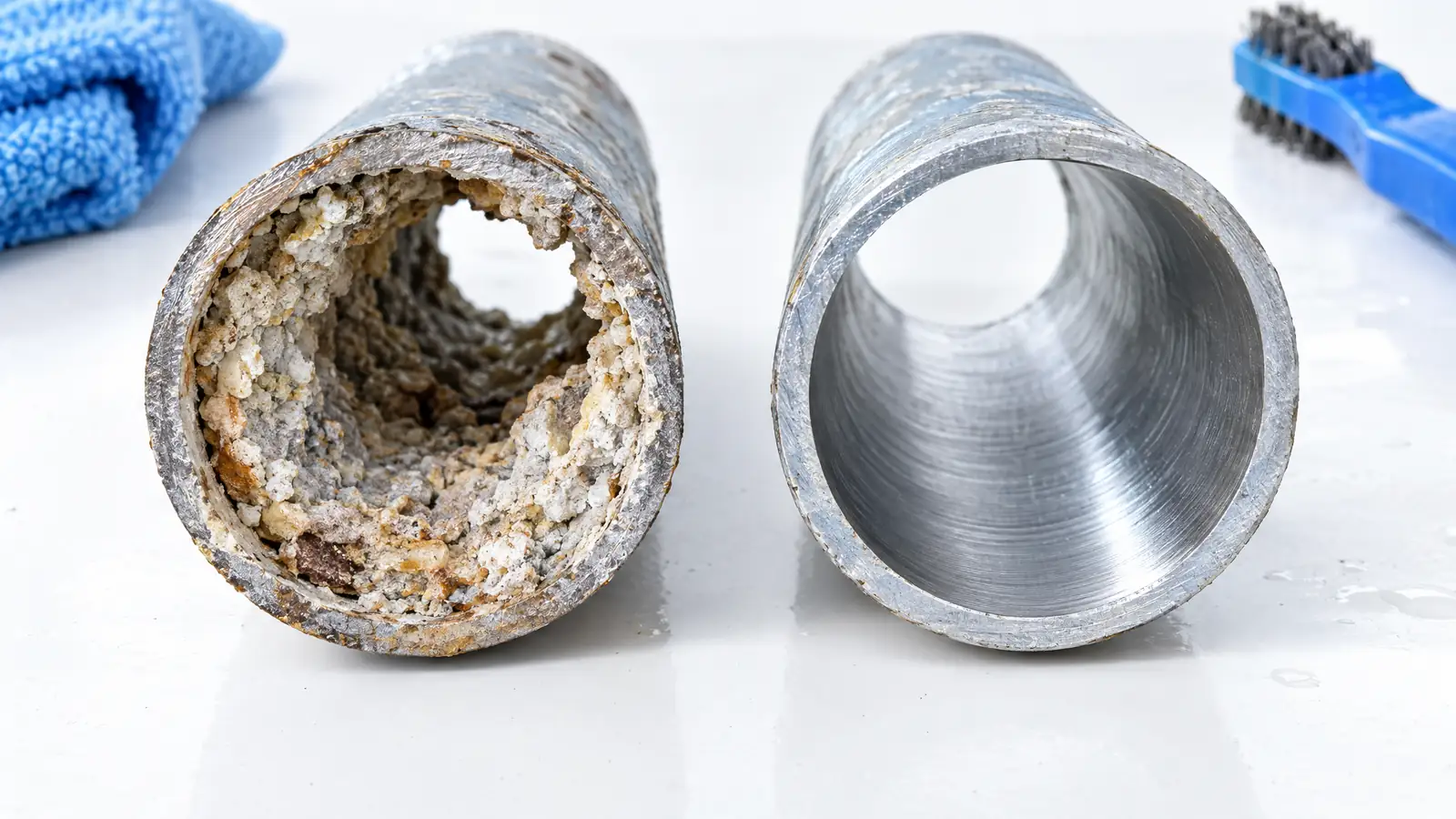
- Cast iron scales and rusts from the inside
- Clay lines have joints that roots can enter
- Galvanized steel corrodes and narrows
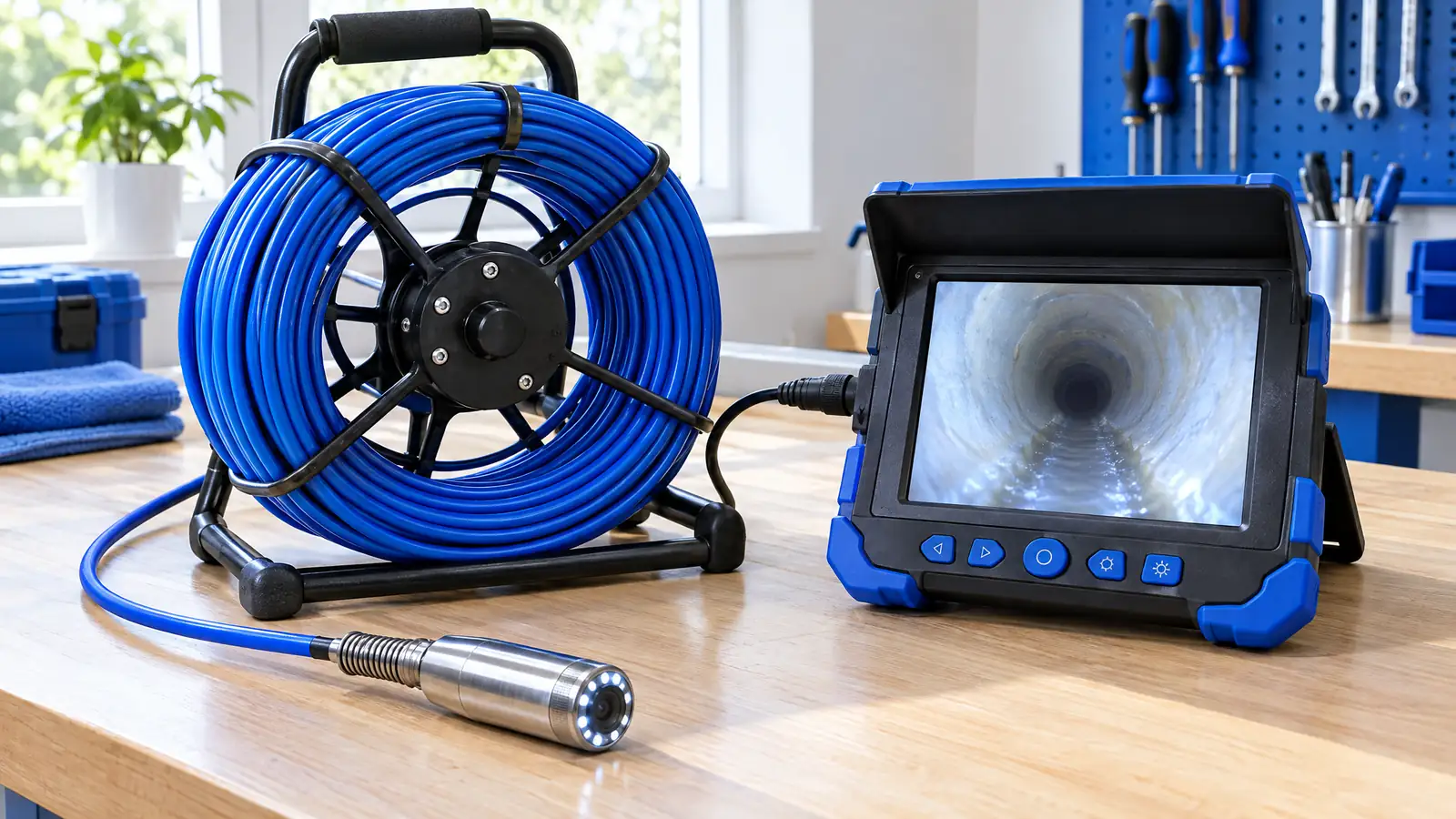
- A camera check-up shows the condition of an older line
What old pipes do
Cast iron grows rough scale inside and can thin from corrosion. Clay tile lines are made of short sections whose joints let in roots and shift with the soil. Galvanized steel supply lines corrode from the inside. Each material ages in its own way.
None of this means the plumbing is failing, but it does mean it deserves attention.
Signs to watch
Drains that slow down every year, a house that is more than 40 years old, big trees near the sewer line, rust-colored water or flakes from a drain, and gurgling that comes and goes. A cleanout that is hard to open is a sign of its own.
Write down what you notice and tell your provider.
How planned care helps
Scheduled cleaning keeps scale and roots from building up, and a camera check-up once a year shows how the pipe is changing. That turns a vague worry into facts you can plan around.
If a line is nearing the end of its life, the footage shows it, and you can plan for a repair on your terms.
When to talk about repair
If the camera shows a collapsed section, a serious offset or recurring roots, cleaning alone will not fix it. A good provider tells you so and explains the options, such as spot repair or lining, rather than selling more cleanings.
Planned care and honest advice go together.
Quick answers
Is my old house a problem?
Not necessarily. Many old lines serve for decades with good care.
How often should an old line be checked on camera?
Once a year is a common rhythm for older lines.
Ready to put this on a schedule?
Call (615) 952-0844 or send the form below, and we will suggest a plan for your property.