Key takeaways
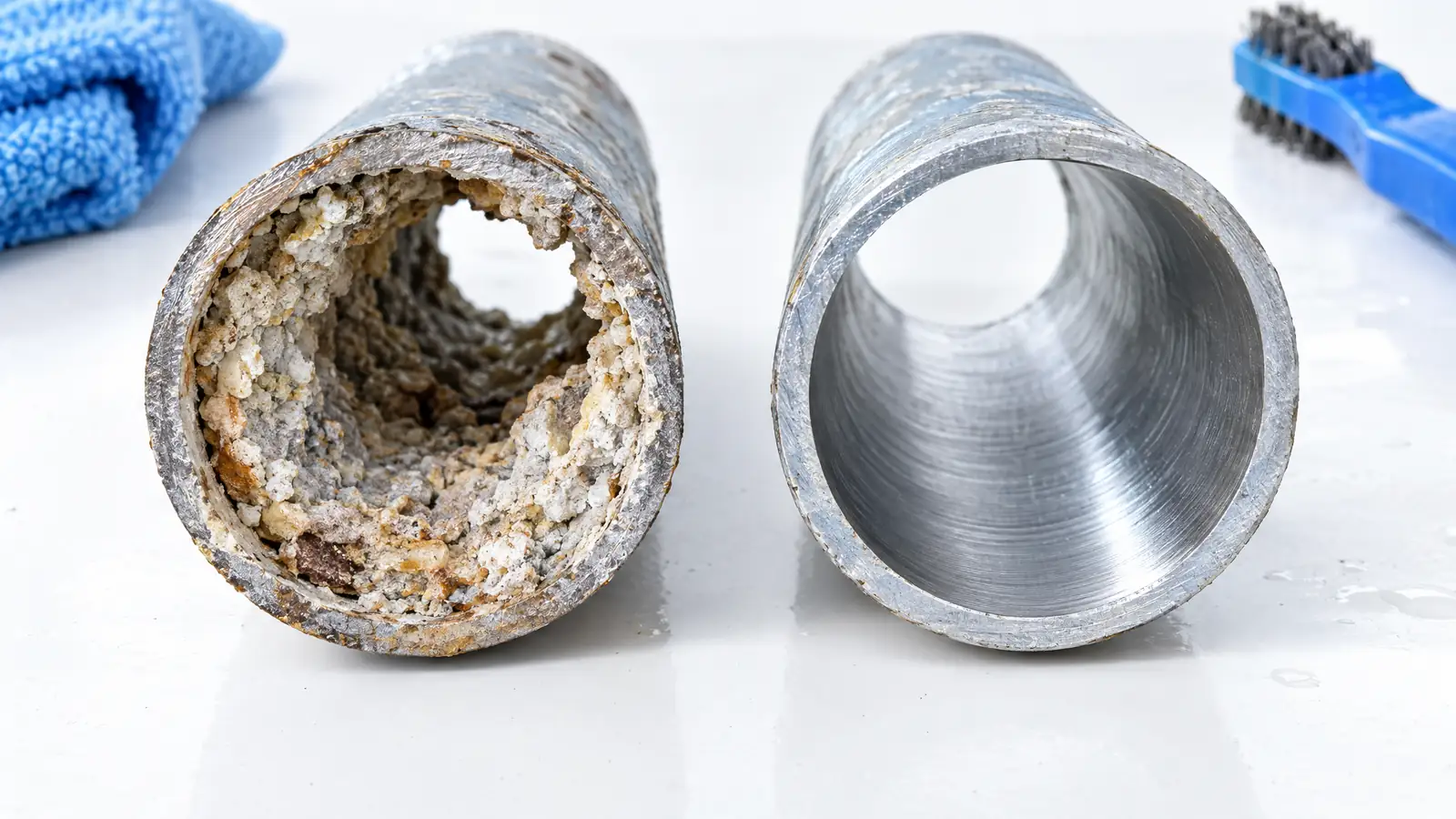
- Scale is mineral deposit and rust that crusts the inside of pipes
- Hard water and older iron or steel pipes speed it up
- It narrows the pipe and catches debris
- Descaling and jetting remove it, and records show how fast it returns
What scale is
Minerals in water, mostly calcium and magnesium, leave a hard crust when the water dries or cools. In iron and steel pipes, rust adds to it. The result is a rough, narrowed inside surface.
You may see it as white or rust-colored flakes in a drain.
Why it matters
A pipe that has lost a third of its diameter carries much less water, and the rough walls catch hair, grease and paper. The drain slows gradually, so people adjust and do not notice until the day it stops.
Scale is why some houses clog more every year.
How a program handles it
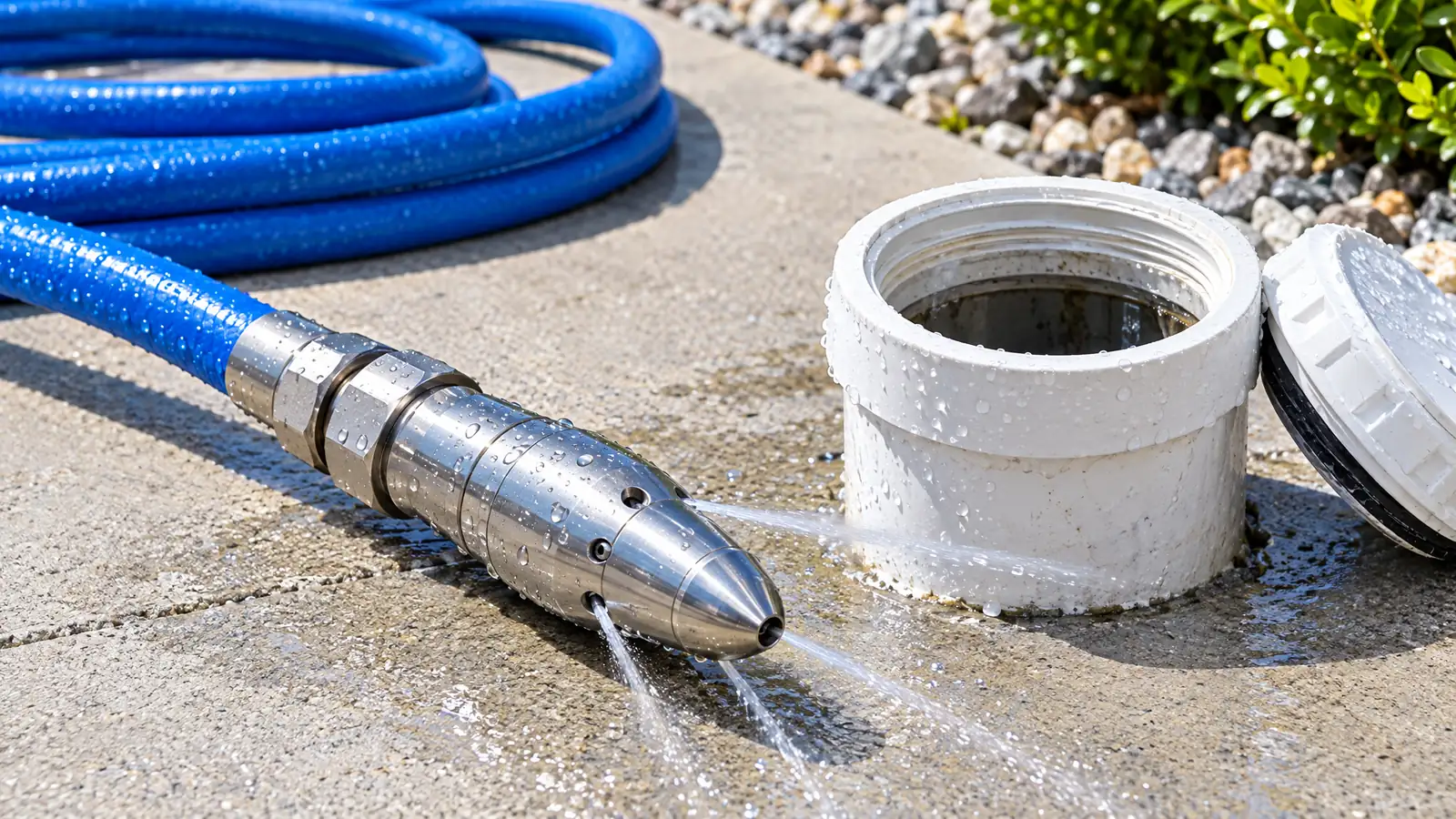
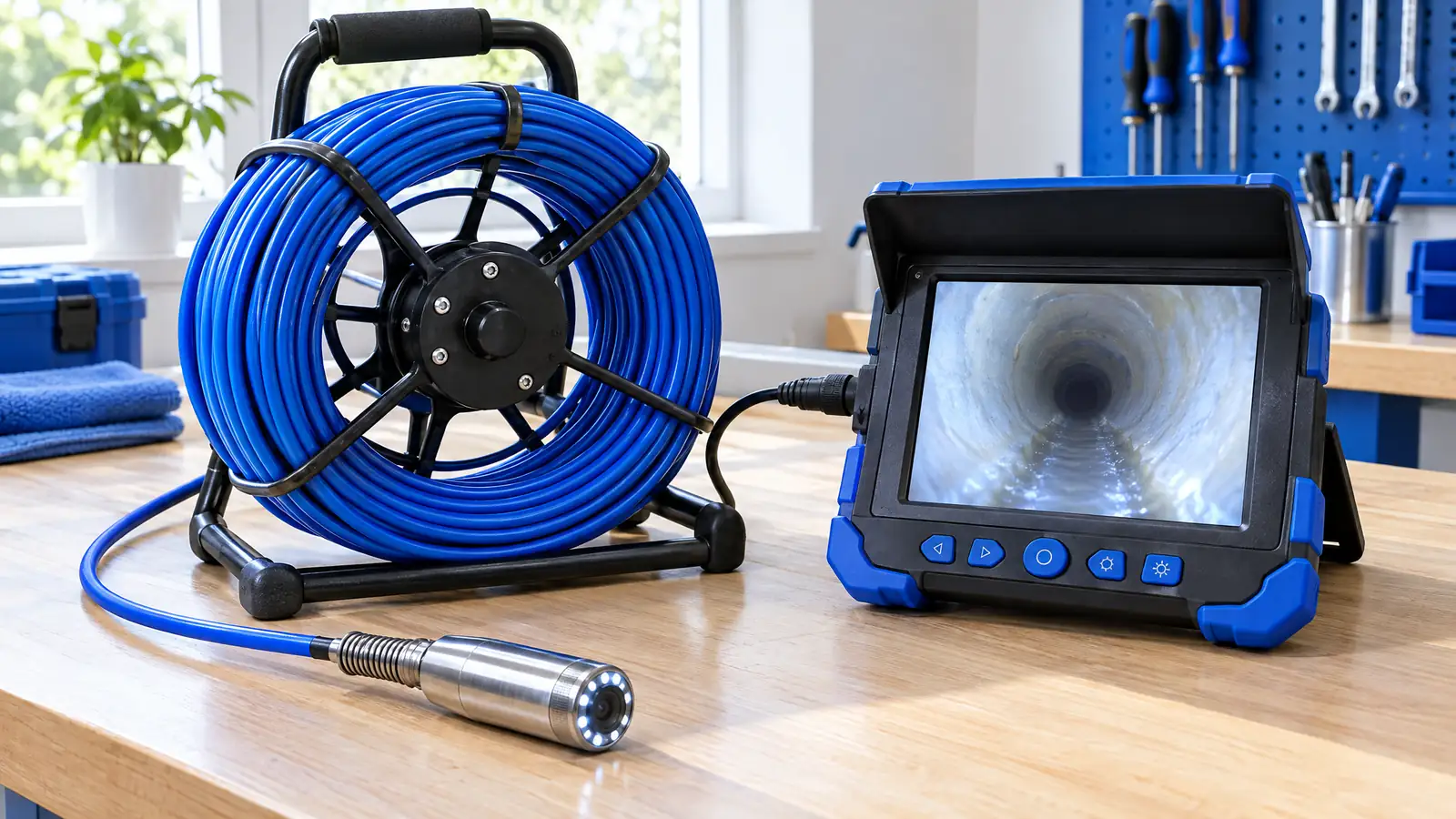
A plan can include descaling with a chain or a special nozzle on a cable or jetting hose, followed by a flow check and, if the pipe allows, a camera look. The notes show the pipe’s condition and how fast the scale returns.
That tells you how often to repeat it.
What it cannot fix
Descaling cleans the pipe but cannot rebuild a pipe that has thinned or cracked. If a camera shows serious corrosion, the honest answer is repair or replacement, and a good provider says so.
Planned care includes knowing when to stop cleaning.
Quick answers
Will a water softener help?
It can reduce scale in pipes. Ask a water treatment professional.
Can vinegar remove scale?
It can help on fixtures. It will not descale a drain line.
Ready to put this on a schedule?
Call (615) 952-0844 or send the form below, and we will suggest a plan for your property.