
Key takeaways
- Roots follow moisture into small gaps in pipe joints
- Cutting clears the pipe but not the entry point
- A schedule keeps roots from forming a mat
- Repair or lining is the lasting fix for an entry point
Why roots find pipes
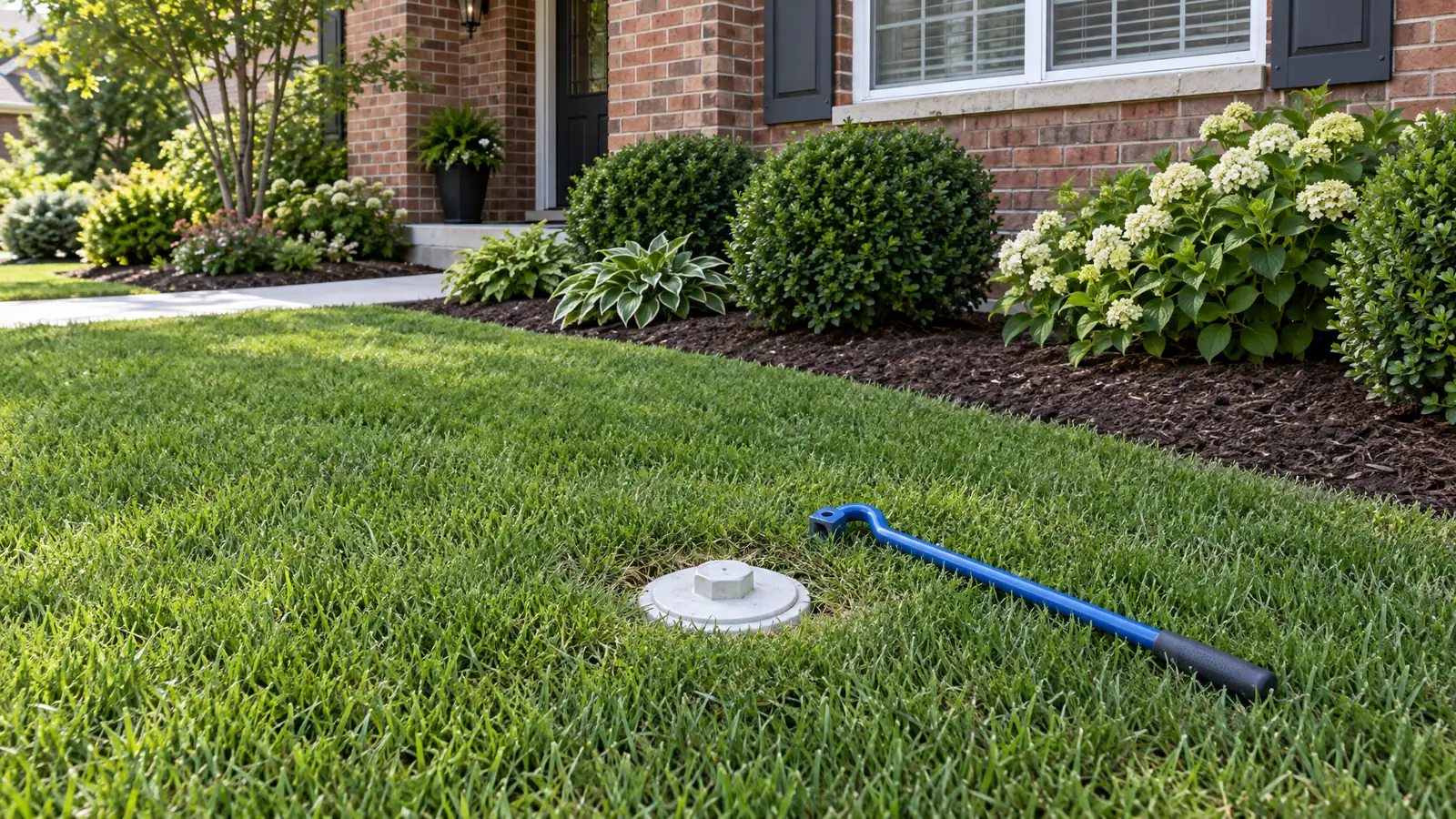
Sewer lines carry warm, moist, nutrient-rich water, and trees sense that. A joint that is slightly open or a hairline crack lets a thread of root through, and inside the pipe the root branches and thickens.
The root did not break the pipe; it found a weakness.
What a program does
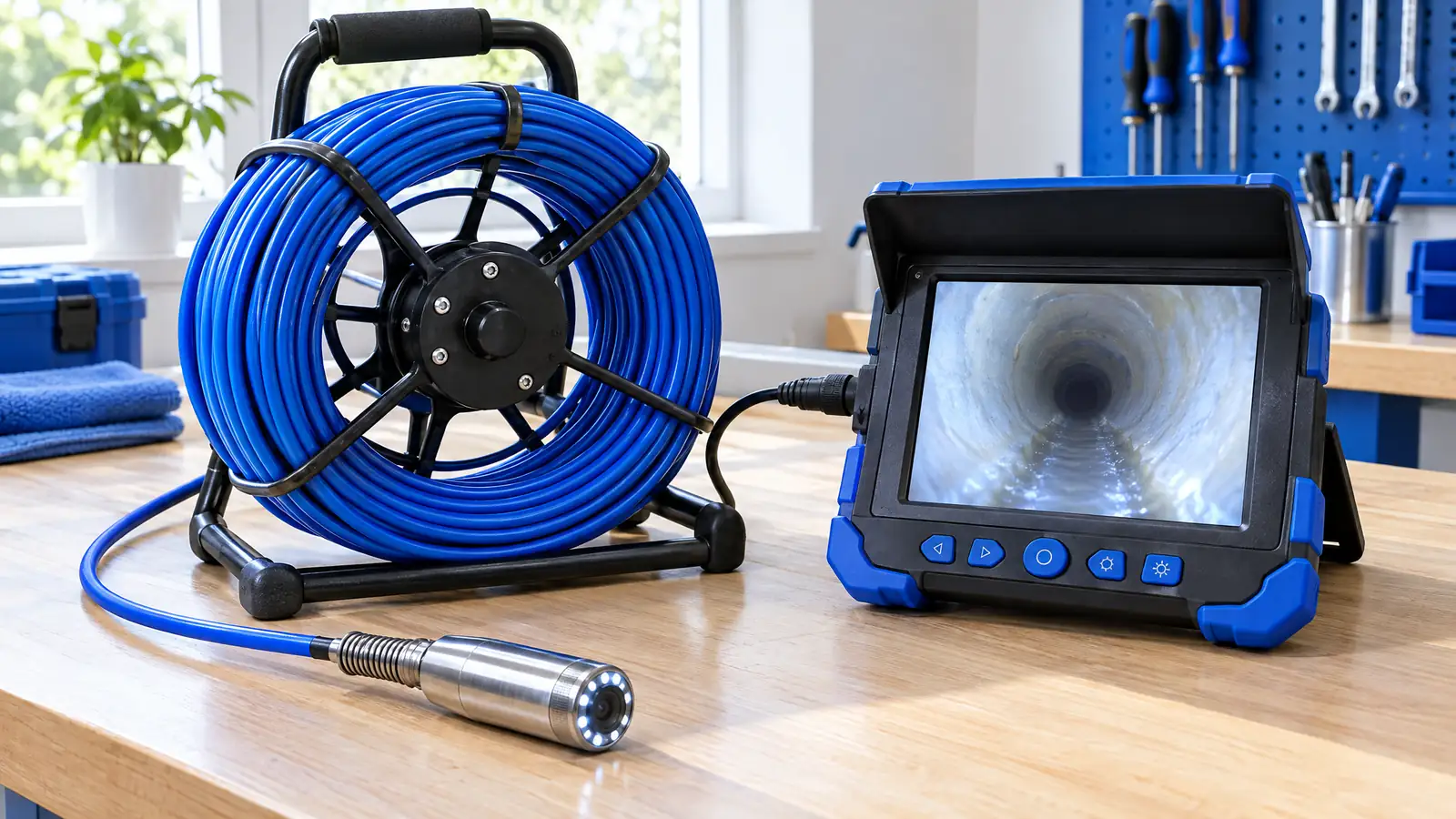
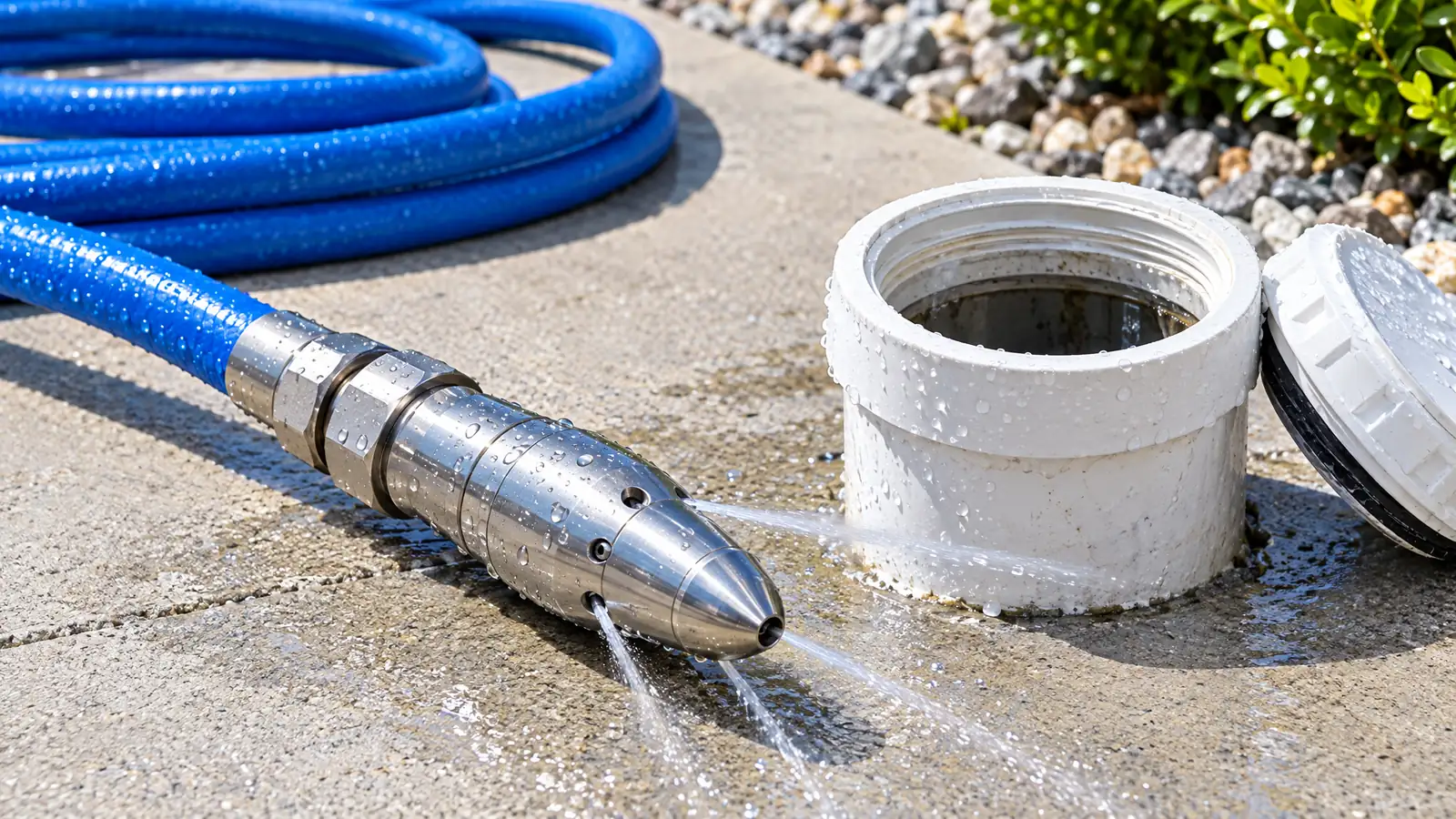
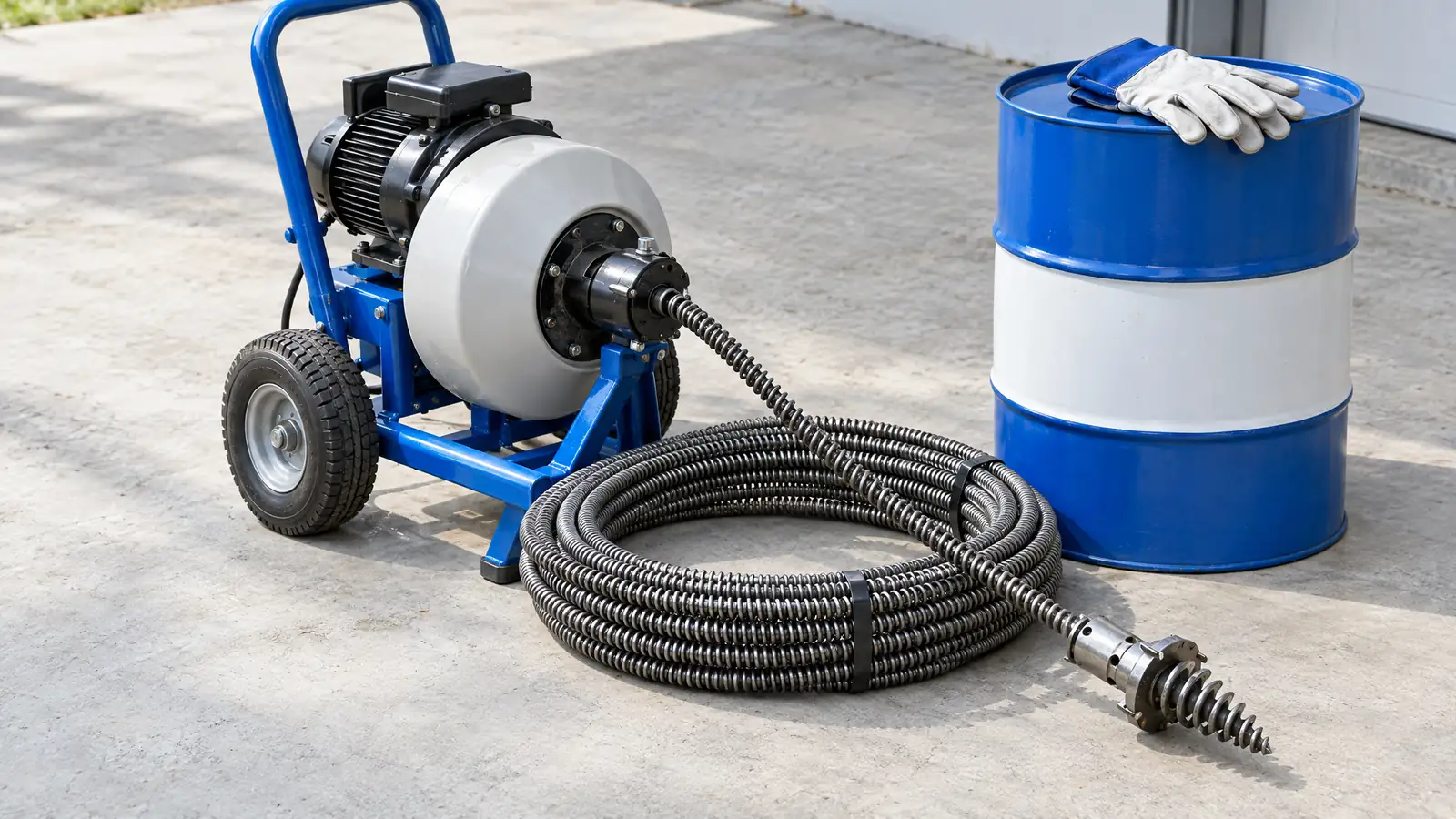
Roots are cut back with a cutter on a cable or a root-cutting nozzle and the pipe wall is jetted clean. The schedule is set by how fast roots return, which the first visits and a camera check-up reveal.
Many lines need a visit every six to twelve months.
Chemical treatments
Foaming root killers exist and can slow regrowth inside the pipe for a while. They do not seal the entry point and should be used according to their directions and local rules. Ask before using them.
They supplement cutting; they do not replace it.
The lasting fix
Cutting is a schedule; sealing the entry is a solution. A short repair, a spot liner or replacement of a joint can end the cycle. A camera shows how many entry points there are and whether that is worthwhile.
We explain the options when we see them.
Quick answers
Do I need to remove the tree?
Usually not. Repairing the pipe is the better answer.
How do I know roots are in my line?
Slow drains that clear and return, or a camera view.
Ready to put this on a schedule?
Call (615) 952-0844 or send the form below, and we will suggest a plan for your property.