Key takeaways
- Clear outdoor drains before the storm, not during
- Test the sump pump and check the discharge
- Floor drains and cleanouts should be accessible
- Know what a backwater valve does
Outdoor drains first
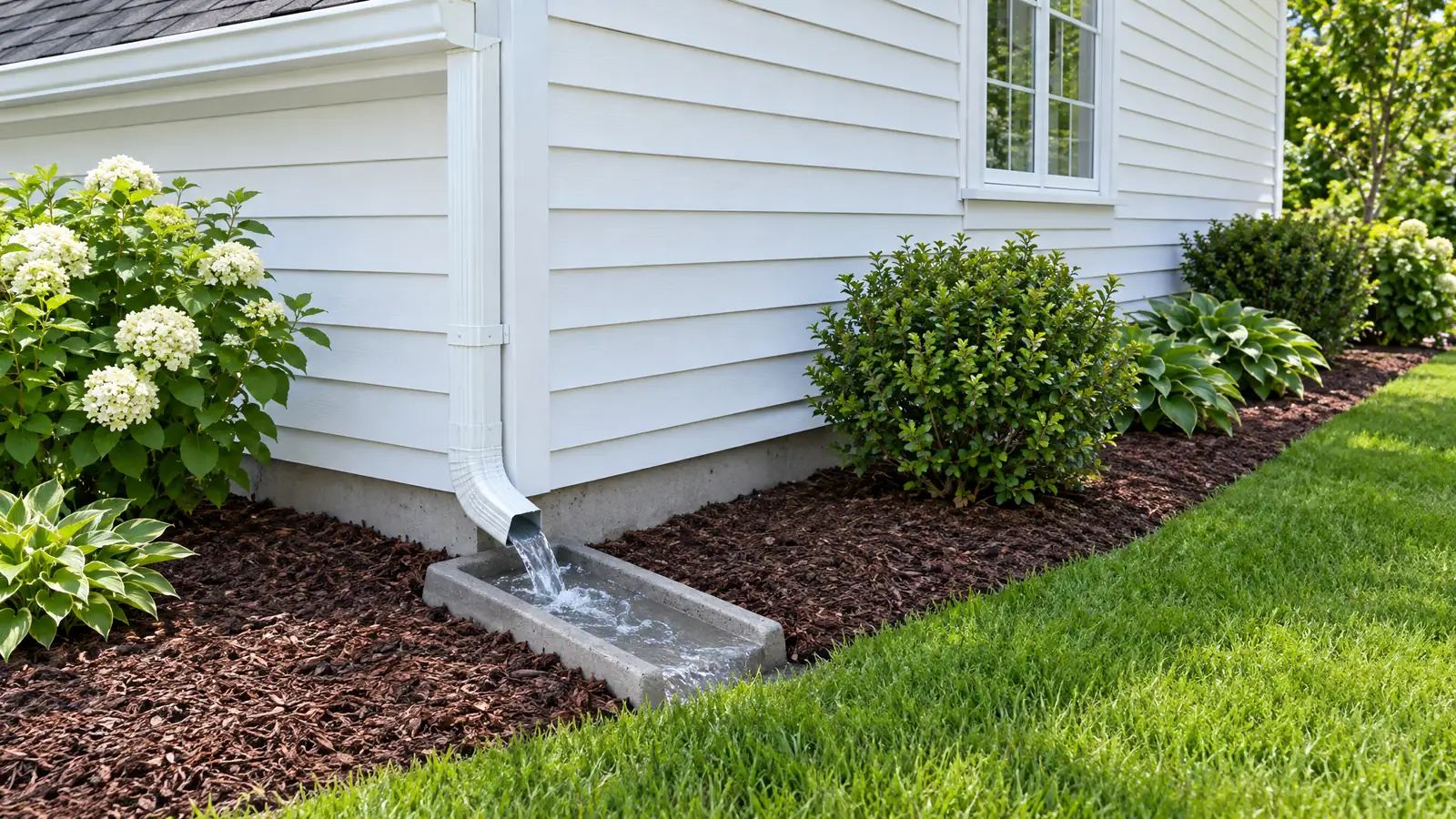
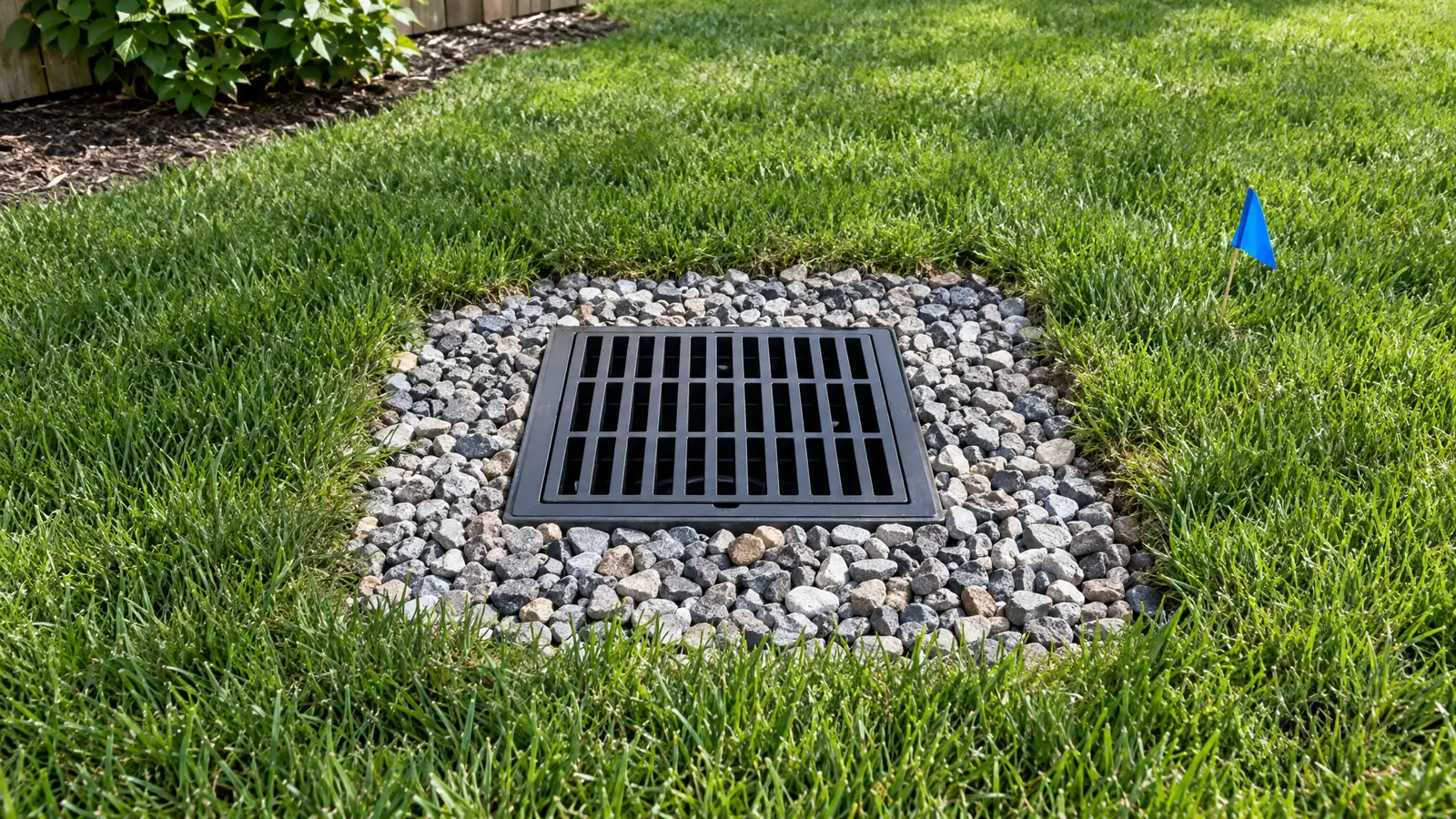
Clear downspouts, extensions, catch basins and yard drains. Make sure water runs away from the foundation and not toward it. Remove debris piles near grates and storm drains in the street if it is safe to do so.
It is a small job with a big payoff.
Sump and basement
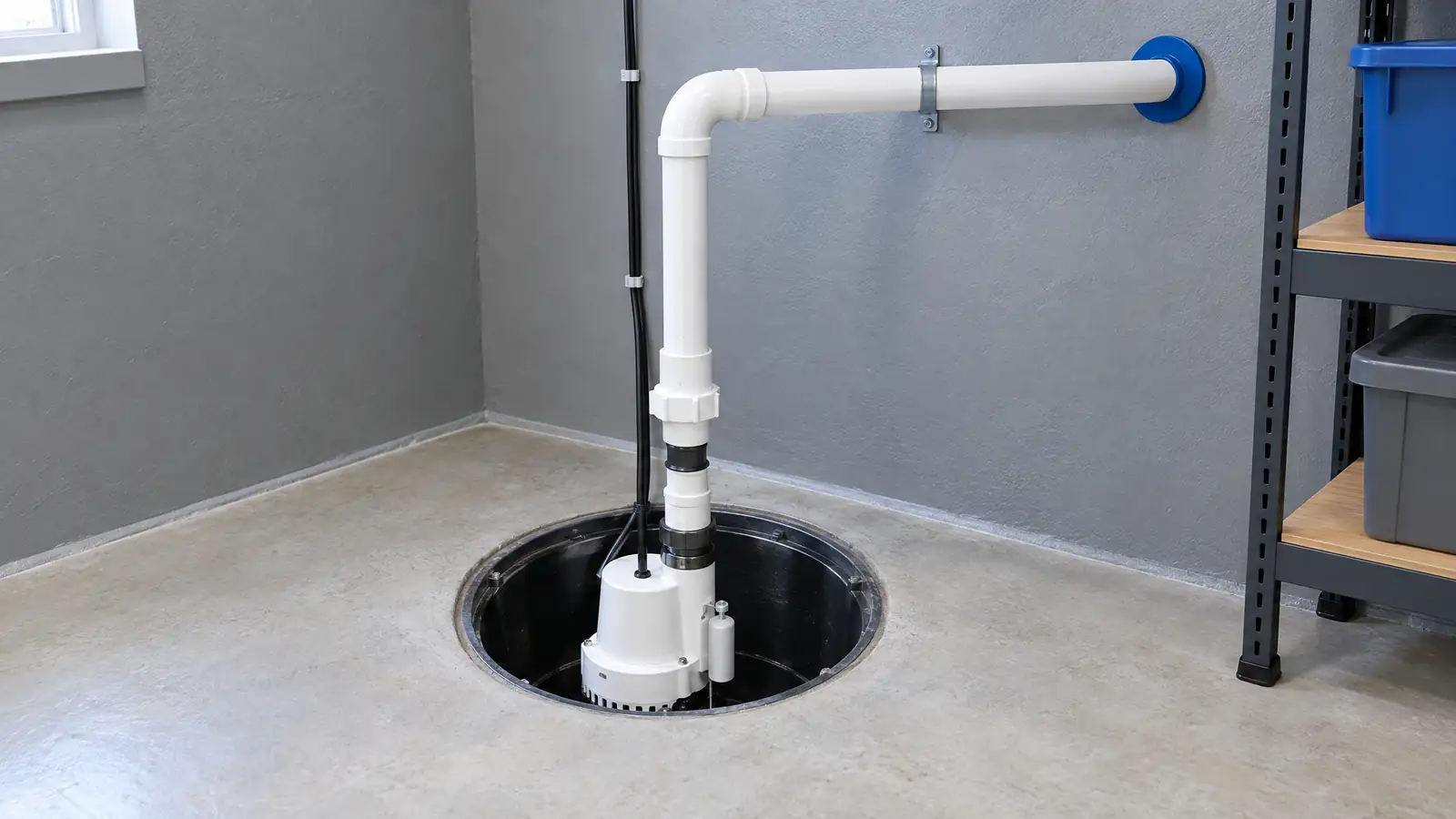
Test the sump pump by filling the pit, check that the discharge line runs freely and is not frozen or blocked and consider a battery backup if your power goes out in storms. Clear the area around floor drains.
Move valuables off the floor in flood-prone basements.
Know your cleanouts
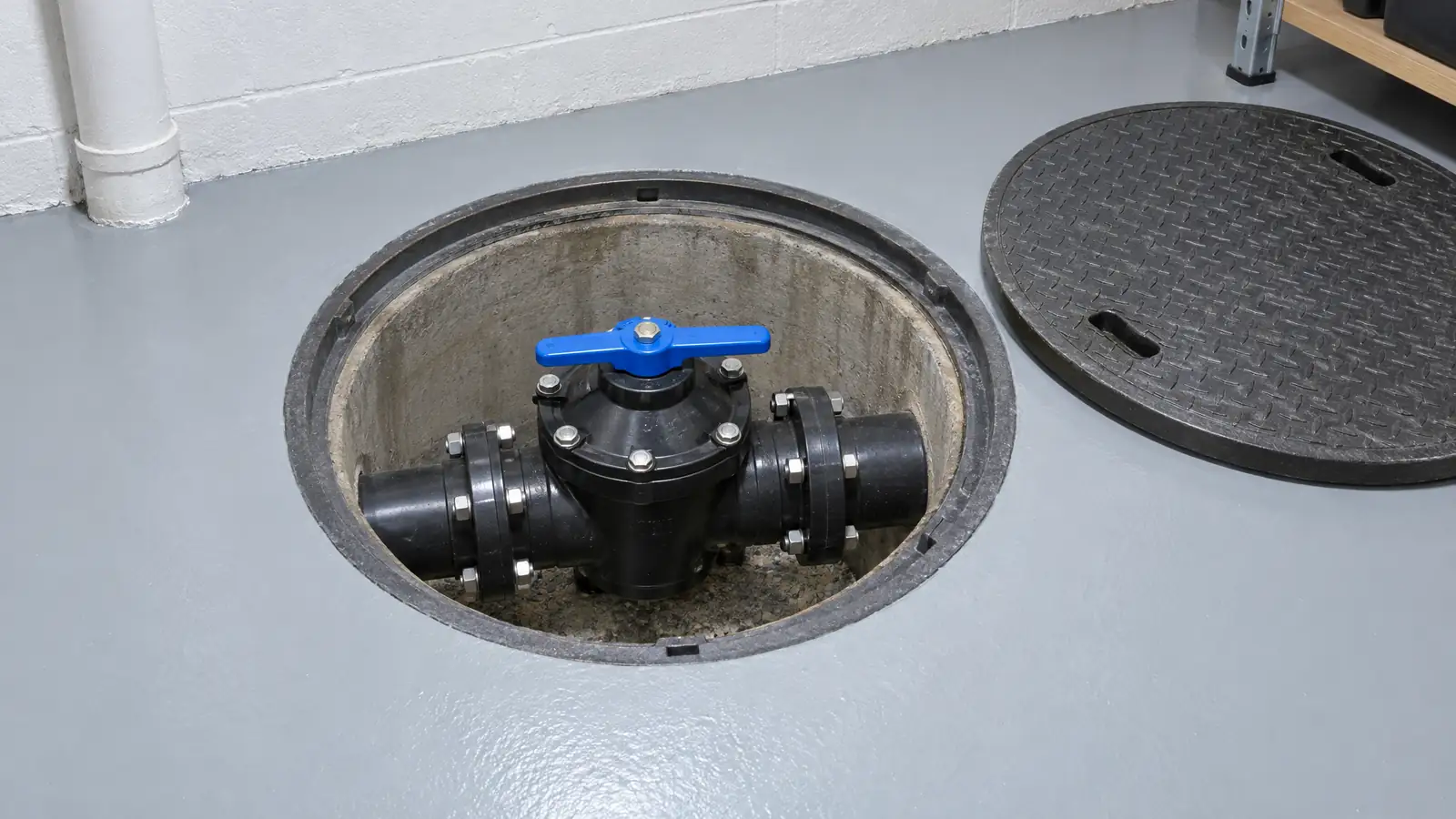
Make sure you can reach the sewer cleanout and that it is capped. In a surcharge, you may need to act quickly. A backwater valve, if you have one, should be cleaned and tested, and our program includes that.
Write the cleanout location where everyone can find it.
If it still backs up
Stop using water, keep people away from the area and call. If wastewater comes up, treat it as contaminated. Our plans keep records that help a technician diagnose quickly.
Planned care lowers the odds, but storms are bigger than any plan.
Quick answers
Can a storm surcharge sewers?
Heavy rain can overload systems. A backwater valve helps protect against backflow.
Should I clean the street drain?
If you can do it safely, removing leaves helps. Do not stand in traffic.
Ready to put this on a schedule?
Call (615) 952-0844 or send the form below, and we will suggest a plan for your property.