
Key takeaways
- Planned visits have a known cost and date
- Count the number of drains, buildings and visits per year
- Add a line for the unexpected
- Review the record annually and adjust
Start from the count
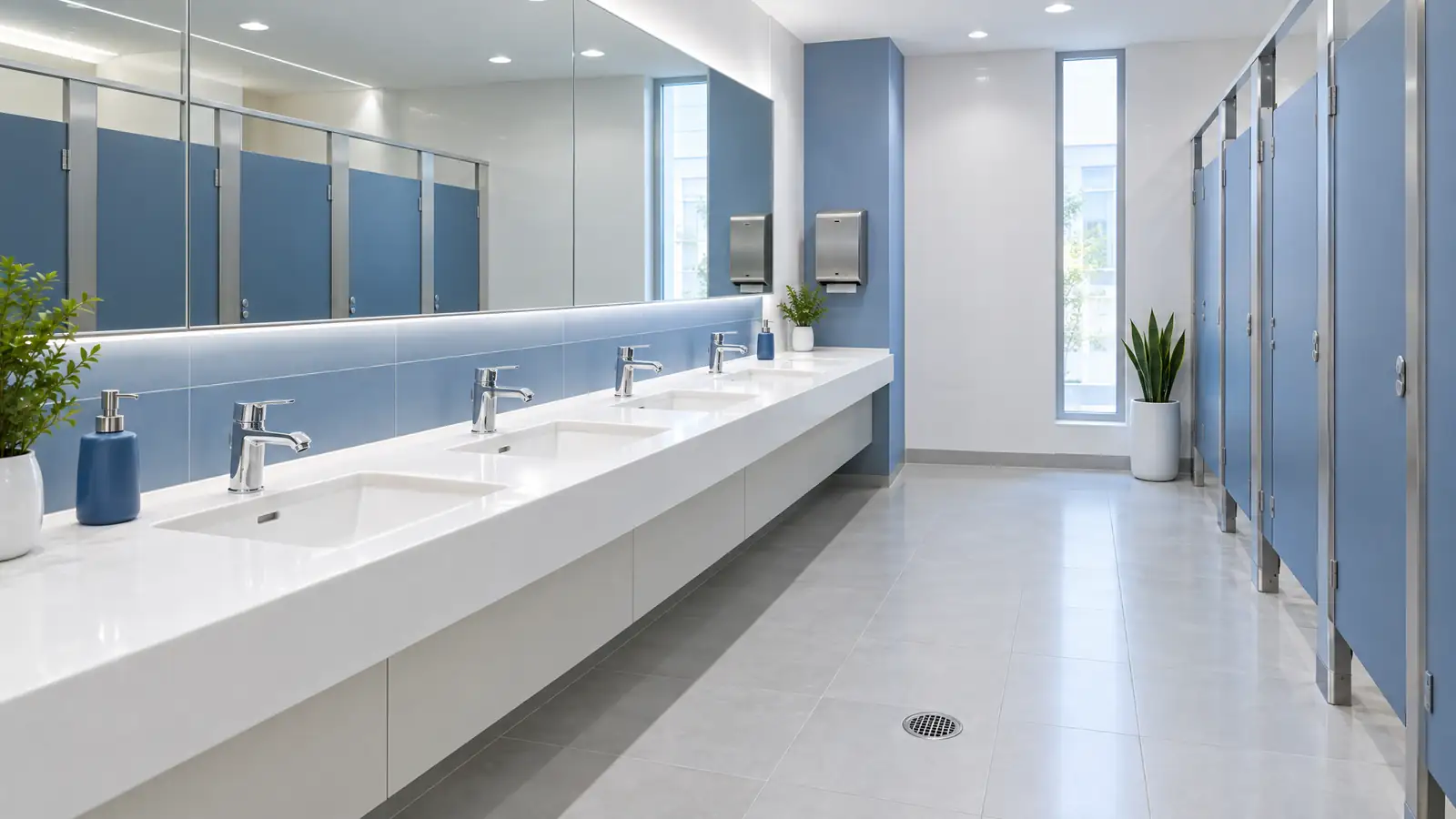
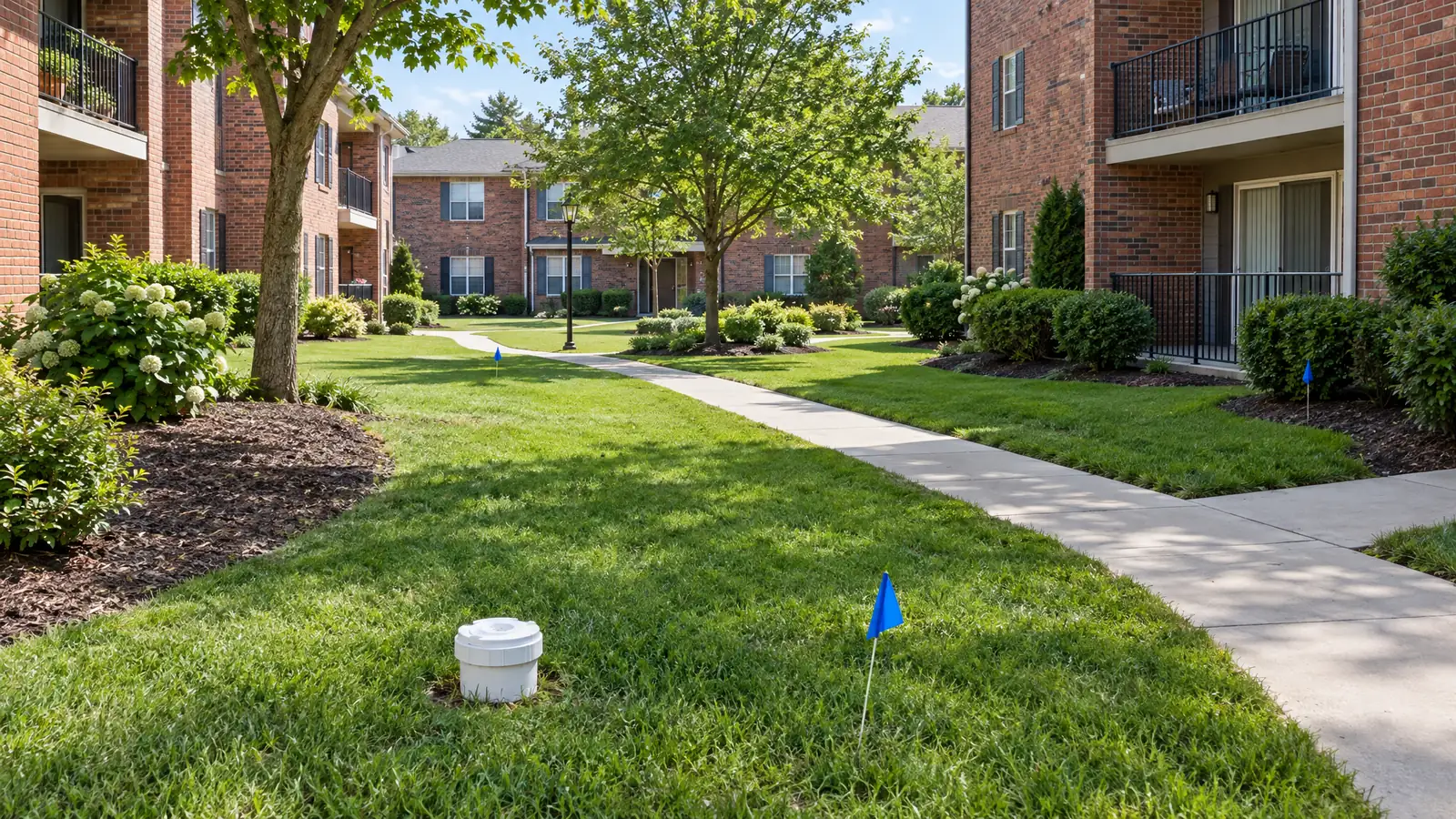
List what you have: buildings, stacks, restrooms, kitchens, floor drains and grease traps. Multiply by the number of visits a year for each type, and you have the shape of a budget before a price is attached.
Our Plan Builder and cost tools use editable placeholder ranges to help.
Ask for a scope, not a number
A quote should say what each visit includes, how many drains are covered and what is extra. Two quotes with different scopes cannot be compared by price. Ask each provider to quote the same list.
Ask about what happens if a visit finds a problem.
Plan for the unexpected
Planned maintenance lowers the odds of an emergency but cannot remove them. Keep a small contingency, and look back at what the last unplanned call cost when you decide how much to carry.
Our Plan vs Wait tool lets you put your own numbers side by side.
Review each year
After a year, the records show which drains needed more and which needed less. Move money accordingly. A plan that is never reviewed is a standing order, not a plan.
The best programs get cheaper to run as they get more accurate.
Quick answers
Can I pay monthly?
Ask about payment options when you set up a plan.
Is maintenance tax-deductible?
For businesses, maintenance is generally an operating expense. Ask your accountant.
Ready to put this on a schedule?
Call (615) 952-0844 or send the form below, and we will suggest a plan for your property.