
Key takeaways
- A log needs date, location, work and notes
- Reminders beat memory
- Photos beat descriptions
- Share the log with everyone who needs it
What a log needs
For each visit: the date, the property or room, which drains were cleaned and how, what was noticed and what is recommended. Anything more is optional. A log that is easy to write gets written.
We provide this for every visit.
Reminders that work
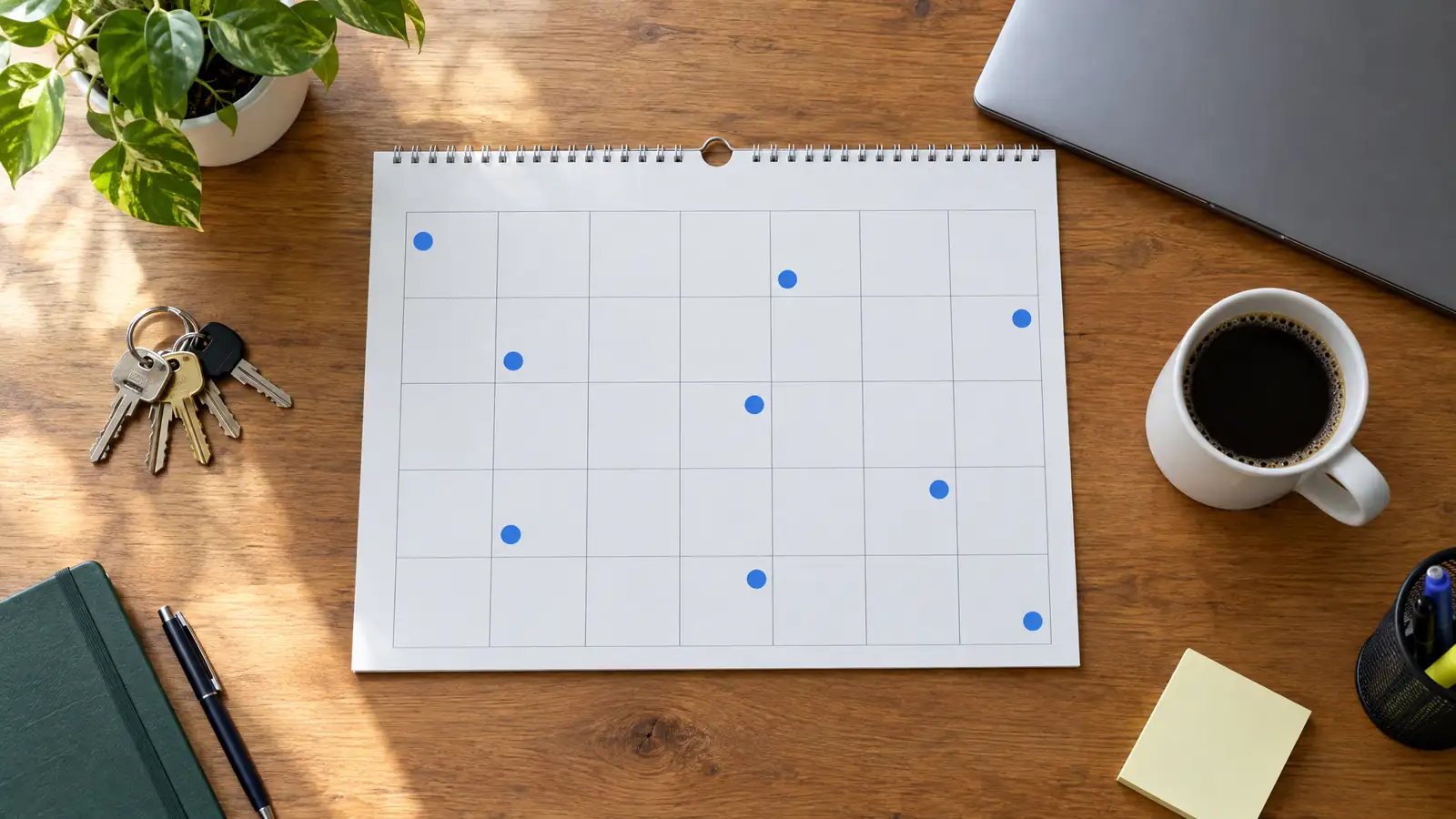
Put the next visit on a calendar the moment the last one ends. Use a reminder a week ahead and one the day before. A provider’s reminder and your own are better than either alone.
Our Calendar Maker produces a reminder file you can import.
Add photos
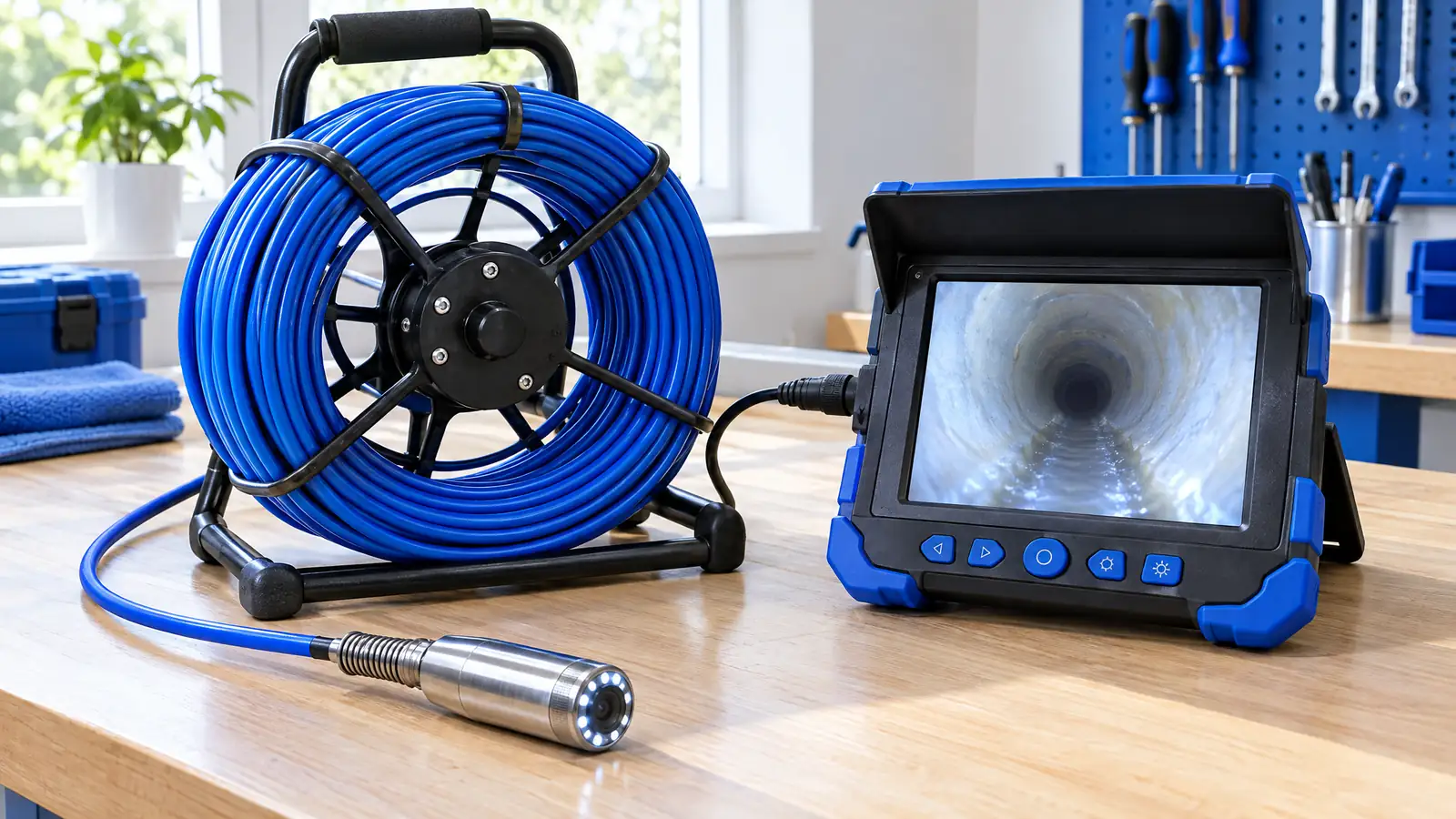
A photo of a trap, a cleanout or a clean drain makes the record concrete. Footage from a camera check-up is the best evidence of a pipe’s condition. Store them with the log, not on a phone that will be replaced.
Ask your provider to send photos with each note.
Share and keep
Send the log to the owner, the manager and the person who covers when you are away. Keep at least several years. When a property is sold, the log goes with it.
A good log is an asset.
Quick answers
Is paper or digital better?
Either, if it is findable. Digital with a paper backup is common.
Who owns the records?
You do. Ask for copies at any time.
Ready to put this on a schedule?
Call (615) 952-0844 or send the form below, and we will suggest a plan for your property.