Key takeaways
- Know which lines are common and which are individual
- Put the cleanouts on a map
- Plan twice a year and budget for it
- Give the board a one-page record
Know what the association owns
The governing documents say which lines belong to the association and which to owners. Often the main laterals and shared stacks are common, and the branch lines inside units are individual. Get that on paper before a clog, not after.
Your attorney or property manager can help interpret the documents.
Map the access points
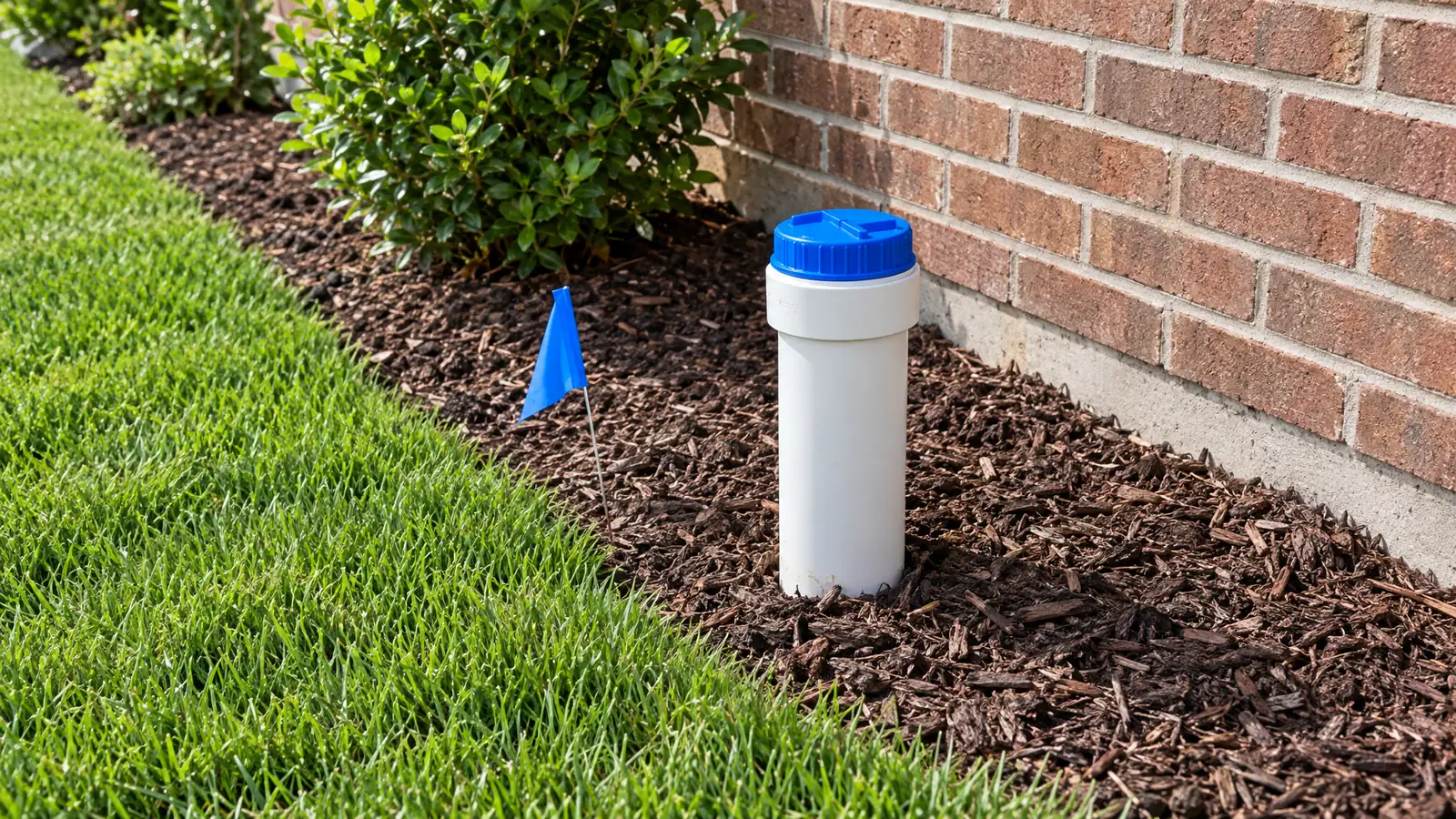
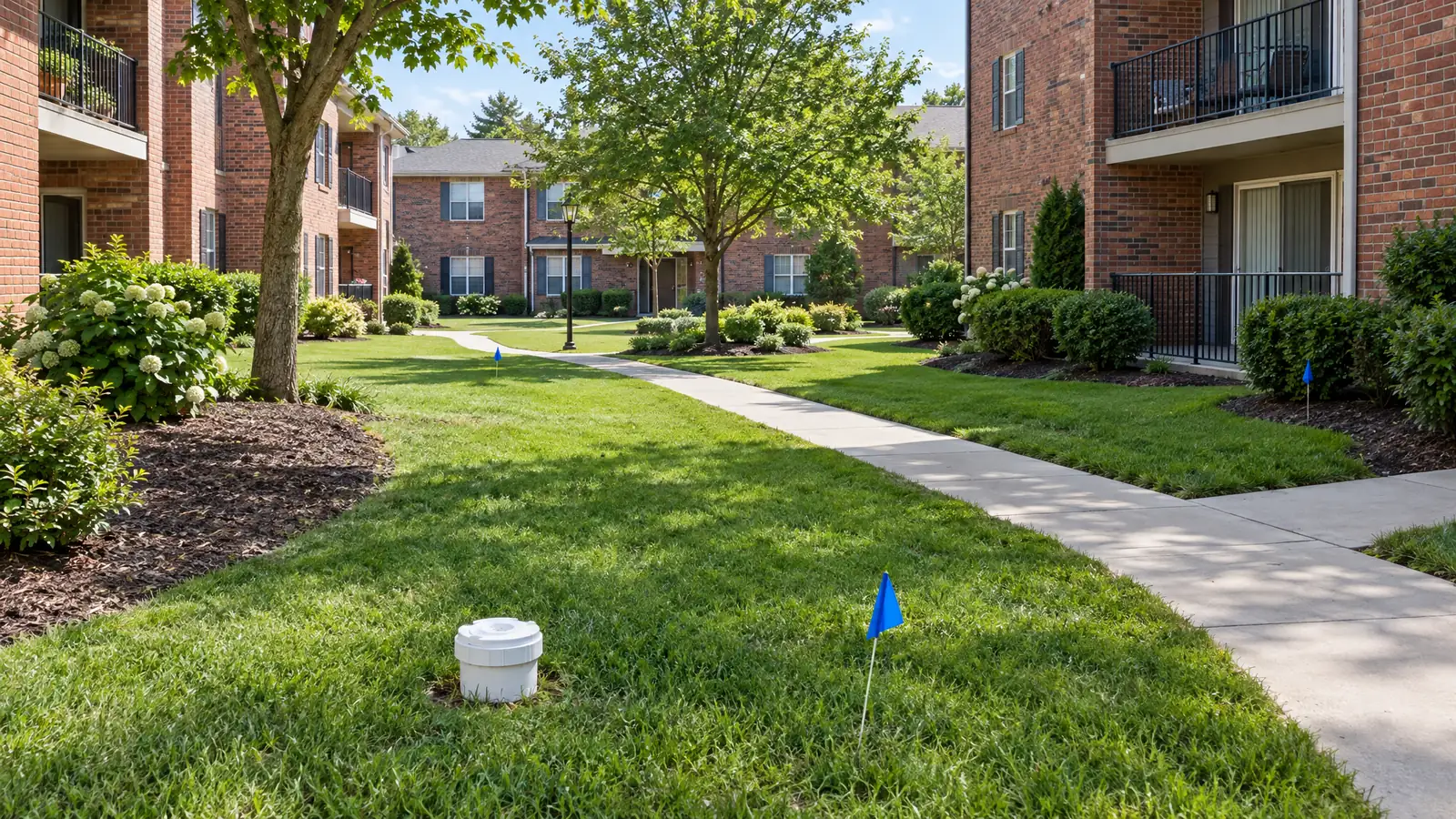
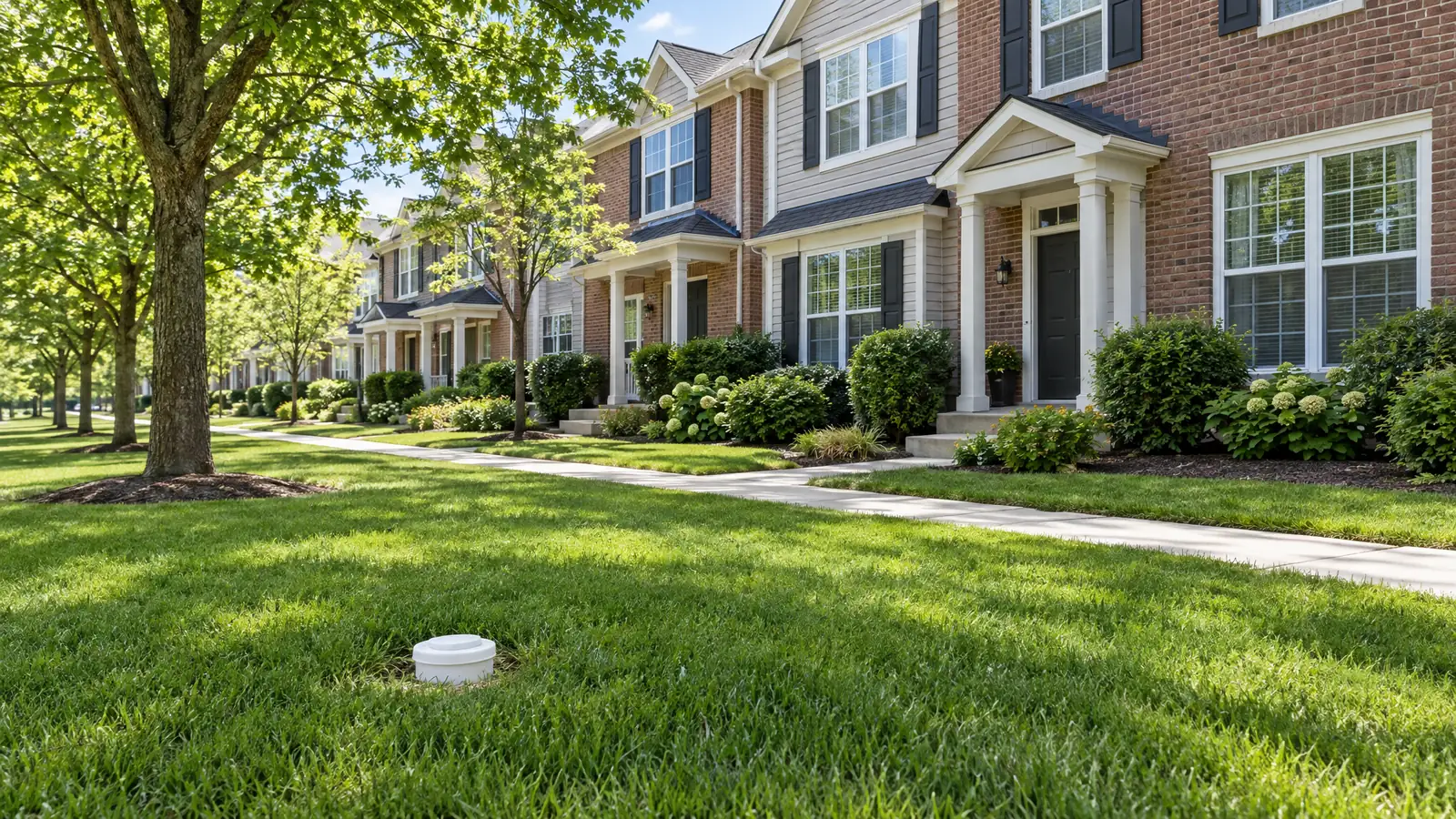
Cleanouts are the doorways to the common lines. Walk the community, find each one and put them on a simple map. Missing or buried cleanouts are a good first project.
A map saves time at every visit and in every emergency.
Plan and budget
A twice-a-year program is a common starting point. Because the schedule is predictable, it can be a line in the annual budget instead of a special assessment after a backup. Compare it with what a past backup cost the community.
We can provide a scope for the board to review.
Document it
After each round, the board should have a one-page record: what was cleaned, what was seen, what is recommended. File it with the maintenance records and keep it for the next board.
Good records make turnover between boards painless.
Quick answers
Can individual owners join the program?
Yes, as an option, by owner request.
Does the association need to notify owners?
A short notice before each visit is a good habit. We can help with wording.
Ready to put this on a schedule?
Call (615) 952-0844 or send the form below, and we will suggest a plan for your property.