Key takeaways
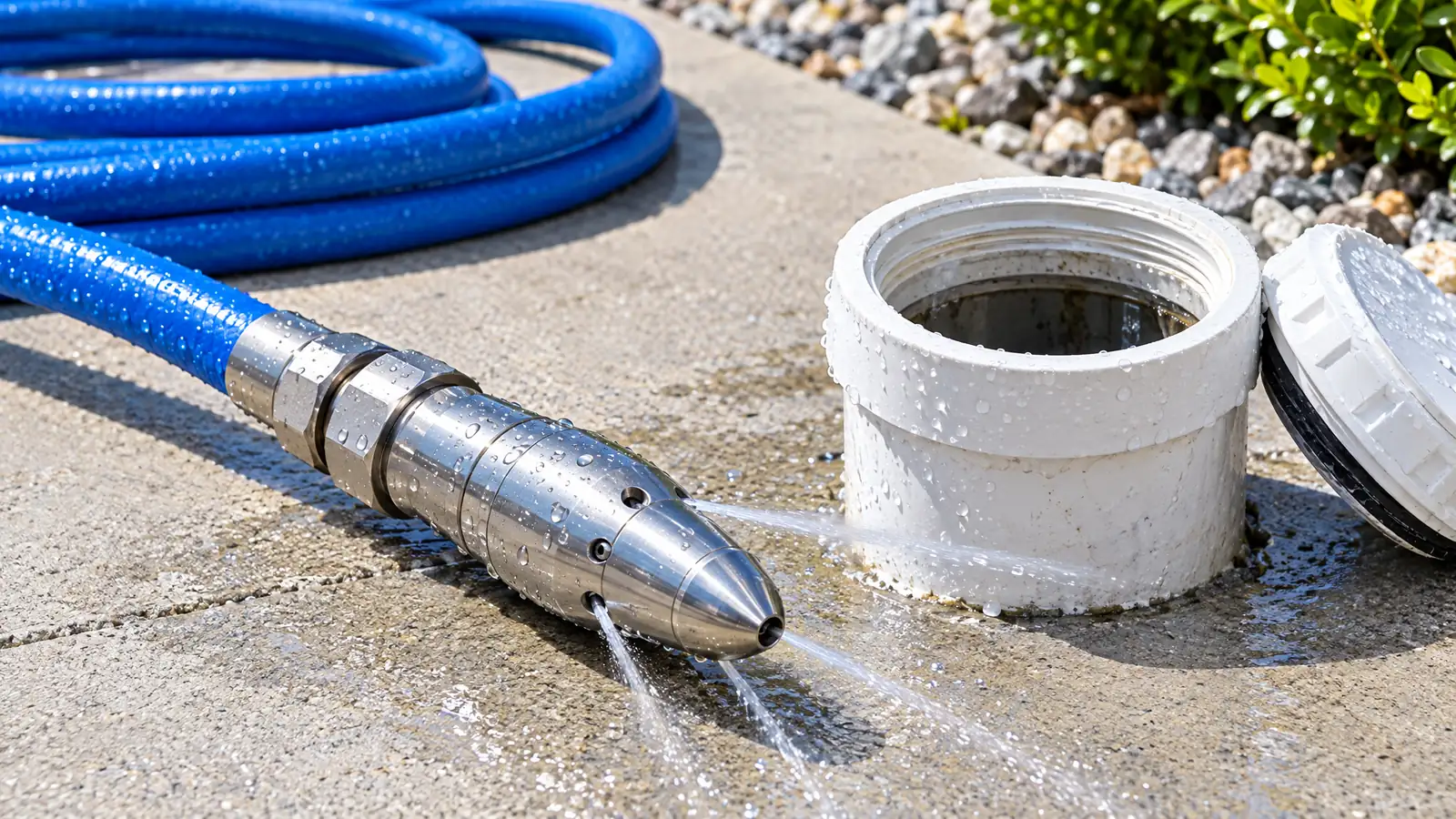
- A nozzle sends water at high pressure against the pipe wall
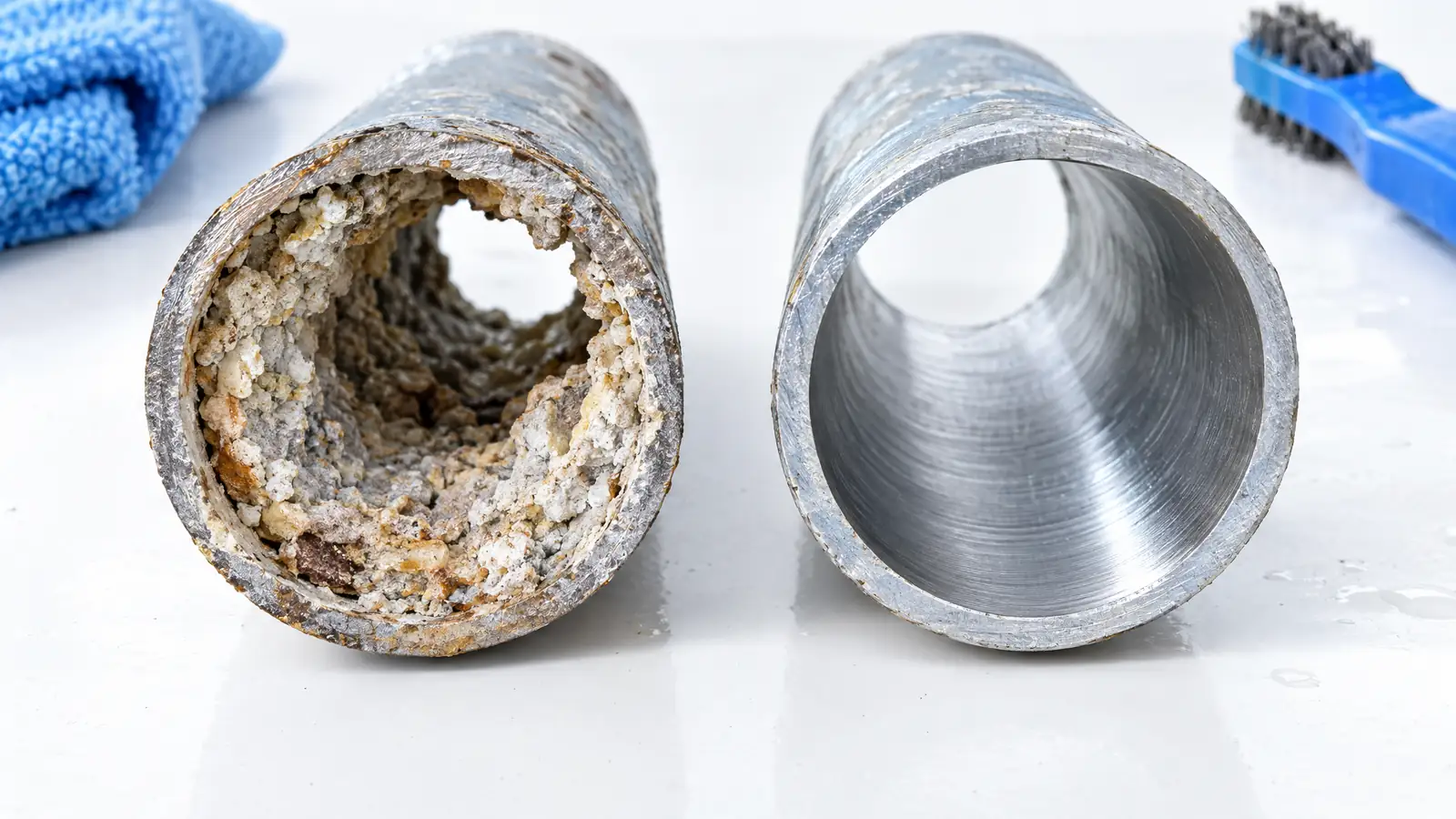
- It removes grease, scale and silt, not just a hole through them
- Pressure and nozzle are chosen for the pipe
- A camera look tells you the result
How it works
A hose with a special nozzle is fed into the pipe. Jets of water spray backward to pull the hose forward and forward to break up buildup, while the water carries debris out. The whole inside of the pipe is scoured, not just the center.
It is the same idea as a pressure washer, aimed from the inside.
Why it suits maintenance
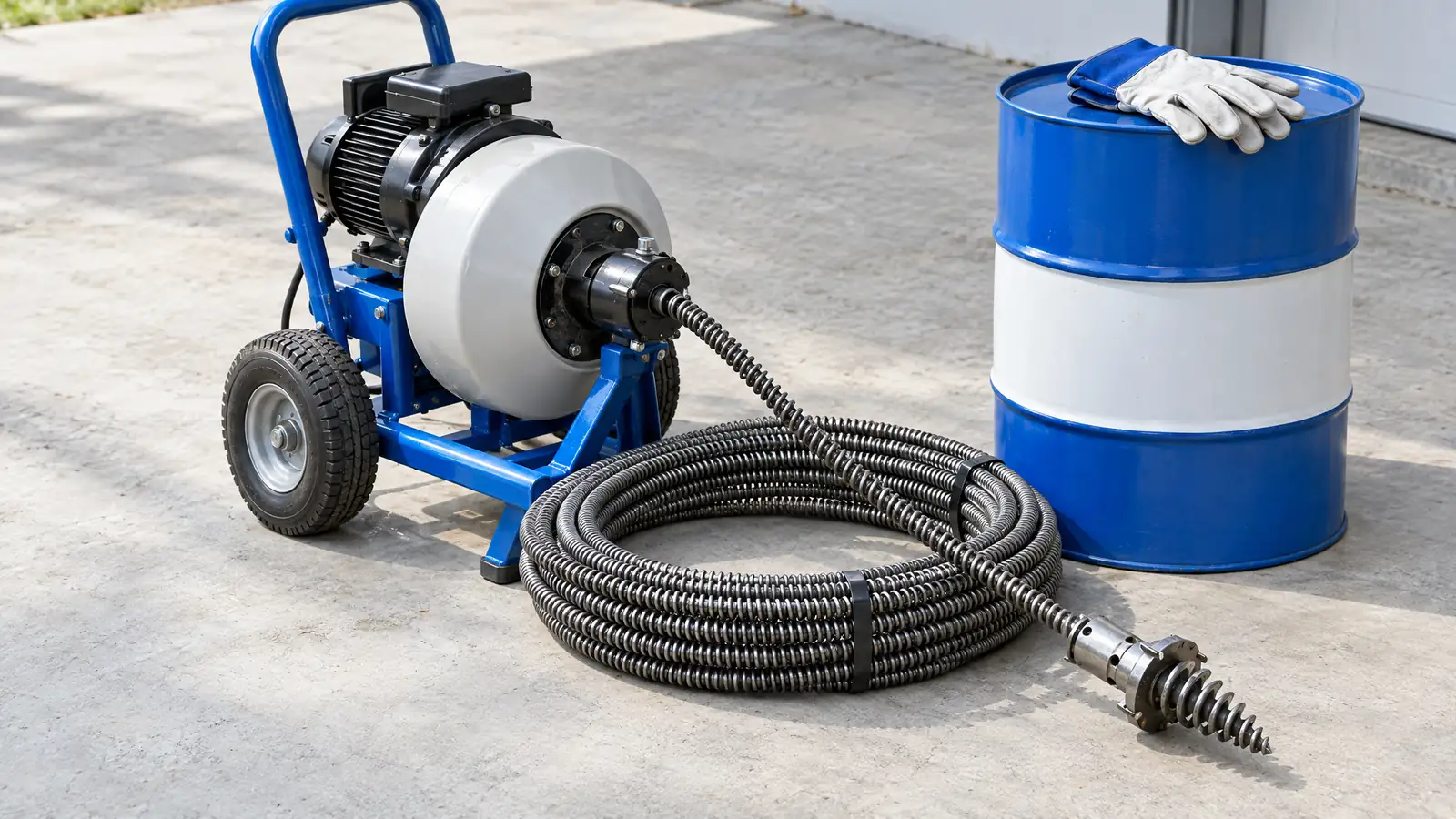
Because it cleans the pipe wall, jetting leaves a line closer to its original size, which is what planned care is trying to maintain. A cable leaves a channel and the walls untouched, so buildup returns quickly.
Many programs use jetting once a year and cabling in between.
Pressure and pipe
Pressure is chosen for the pipe material and condition. A camera check first can show whether a line is fragile. Nozzles differ for grease, scale and roots. A good technician explains the choice.
We say so when jetting is not advisable for a line.
When to use something else
For a soft clog in a short branch line, a cable is quick and fine. For a collapsed or badly damaged pipe, cleaning will not help and repair is the answer. A camera tells which situation you are in.
Planned care chooses the right tool, not just the strongest one.
Quick answers
Does jetting damage pipes?
Not when it is done correctly on a sound pipe. We check first where we can.
How often should a line be jetted?
Yearly is common, more often for grease. The notes show how fast buildup returns.
Ready to put this on a schedule?
Call (615) 952-0844 or send the form below, and we will suggest a plan for your property.