Key takeaways
- A cutter on a flexible cable clears hair, roots and soft buildup
- It is quick and good for branch lines
- It leaves the pipe wall mostly as it found it
- Pair it with jetting for a complete program
How a cable machine works
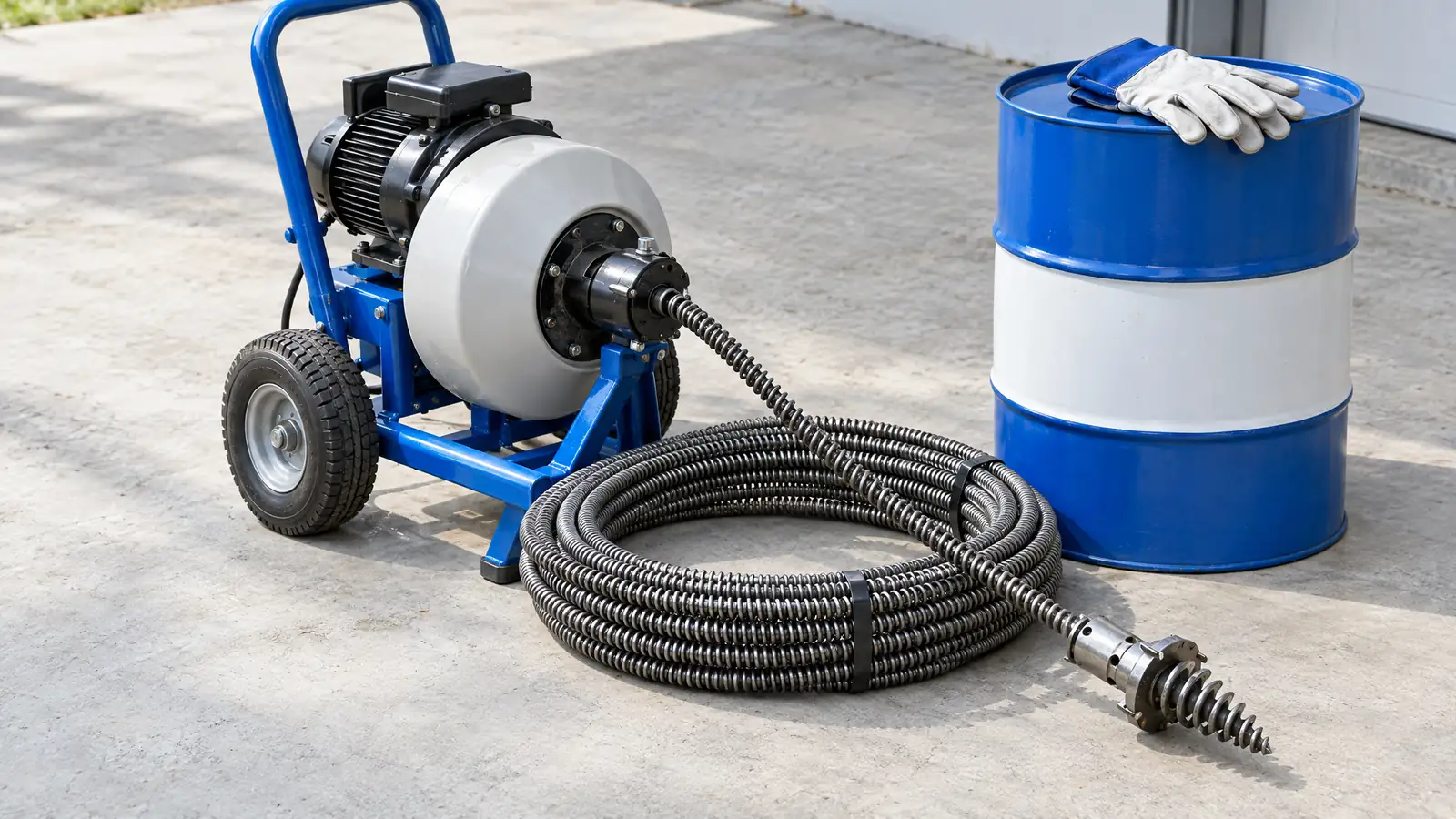
A drum holds a long steel cable that spins as it is fed into the drain. A cutting head on the end chews through hair, roots and soft clogs and pulls debris back out. Different heads are used for different jobs.
It is a workhorse of drain care.
What it does well
Branch lines, tubs, sinks and floor drains, hair clogs and small roots are all good jobs for a cable. It is quick, it is tidy and it reaches around bends that other tools cannot.
For routine upkeep, it is a cost-effective choice.
Where it falls short
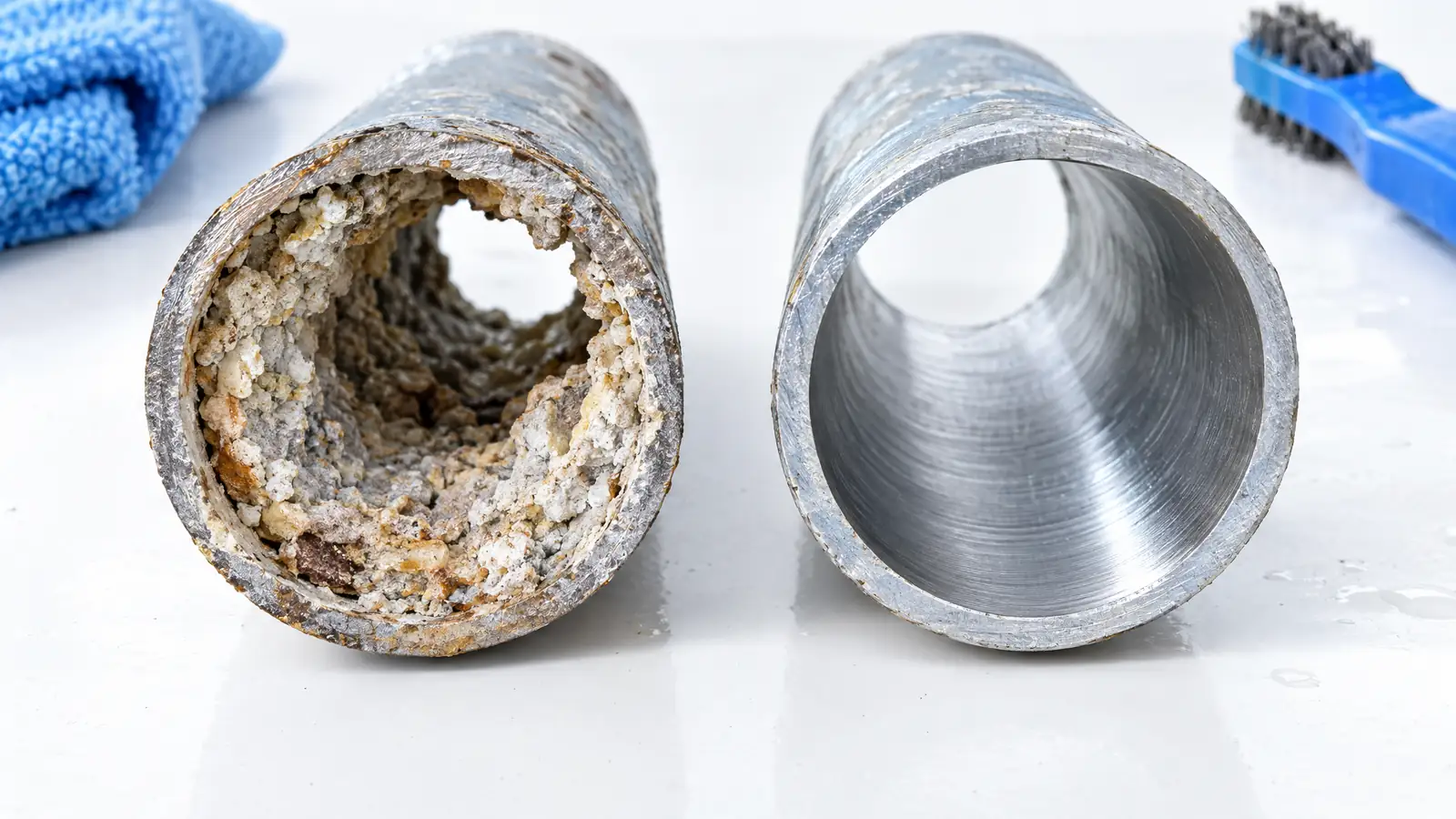
A cable opens a channel through buildup but does not clean the pipe wall. Grease and scale remain, so the line narrows again. In old, fragile pipes, a rough cable can scratch or catch, which is another reason for care.
That is why a plan mixes methods.
How a plan uses it
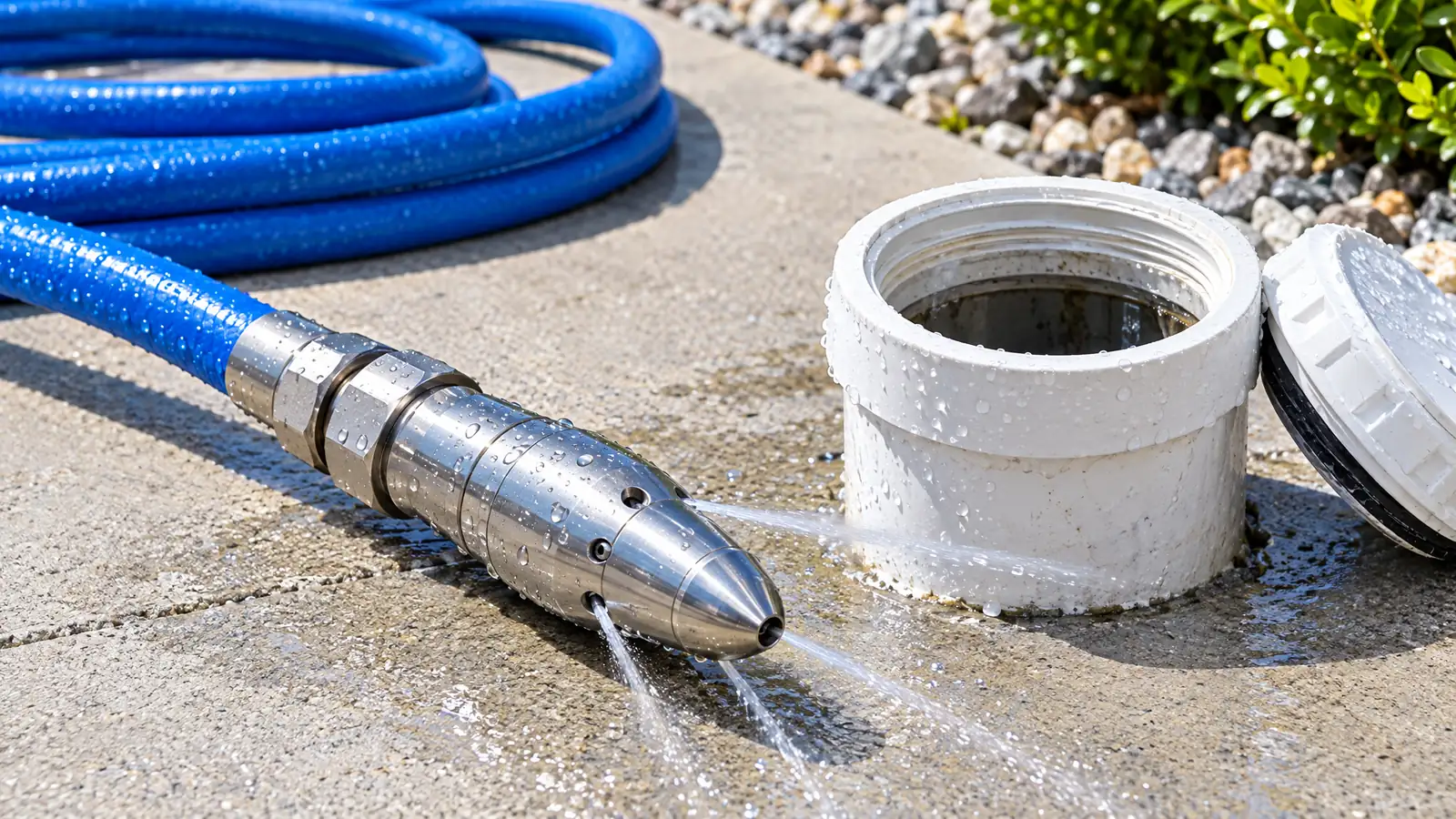
Many plans use a cable at each visit for branch lines and floor drains, with jetting once a year for the main line and any greasy drains. The notes show which lines need which.
We pick the head and the method line by line.
Quick answers
Can I rent a machine?
You can, but cables can damage pipes and tangle if misused. A professional visit is safer.
Which is better, cable or jetting?
Neither always. They suit different buildup, and a good plan uses both.
Ready to put this on a schedule?
Call (615) 952-0844 or send the form below, and we will suggest a plan for your property.