Key takeaways
- FOG stands for fats, oils and grease
- The best control is to keep it out of the drain
- Scrape, wipe and collect before washing
- Traps and lines both need scheduled service
What FOG is and why it matters
Fats, oils and grease are liquid when hot and solid when cool. In the sewer they harden on the walls of pipes and combine with wipes and debris to make blockages. That is a problem for your own lines and for the public system.
Many cities and utilities have rules about it for food businesses.
Control it at the source
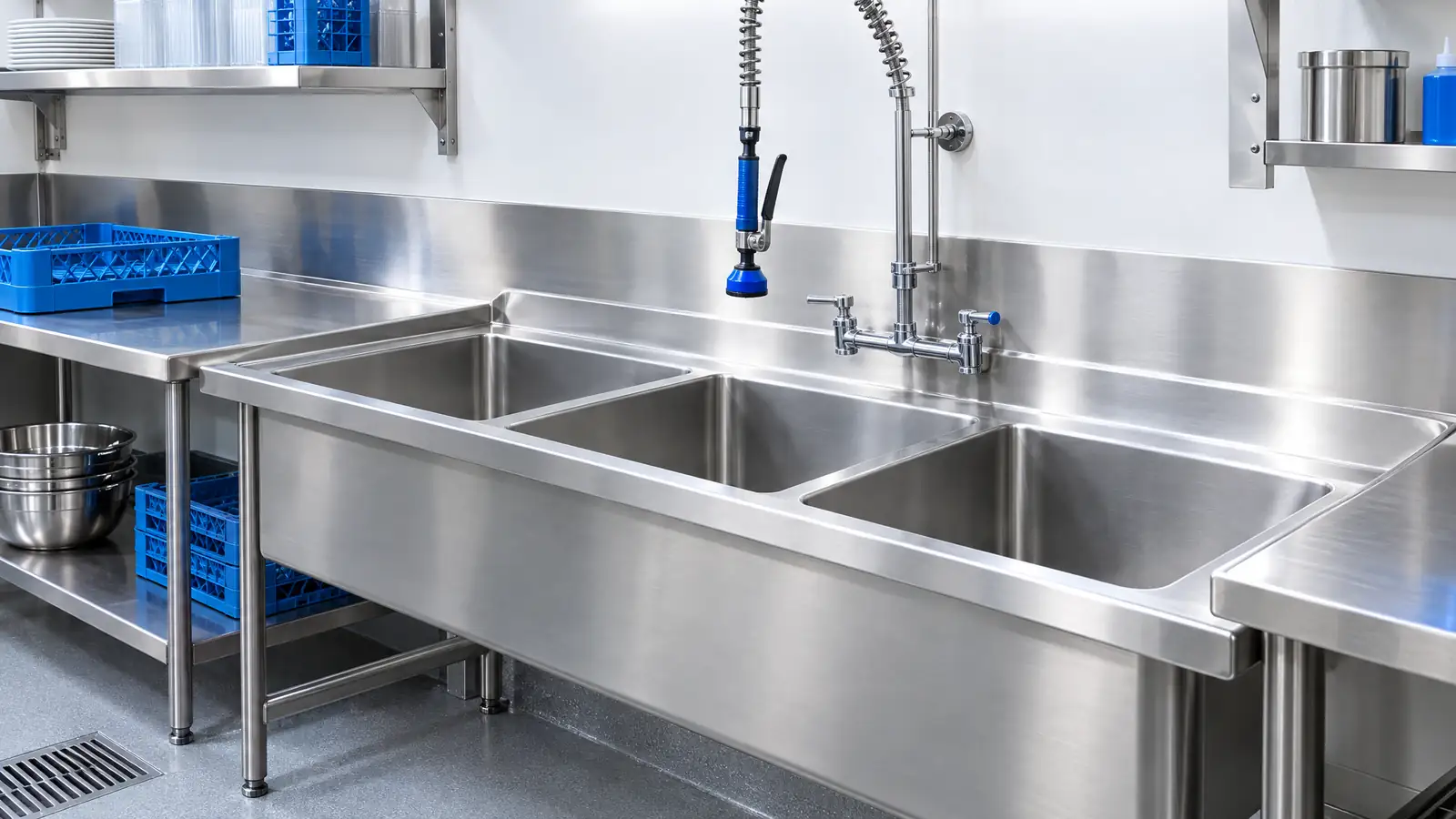
Scrape plates and pans into the trash, wipe greasy cookware with paper towels before washing, collect used fryer oil for recycling and use strainers on every sink. Train every new hire on the same short list.
Every gram kept out of the drain is a gram that does not have to be pumped.
Maintain the equipment
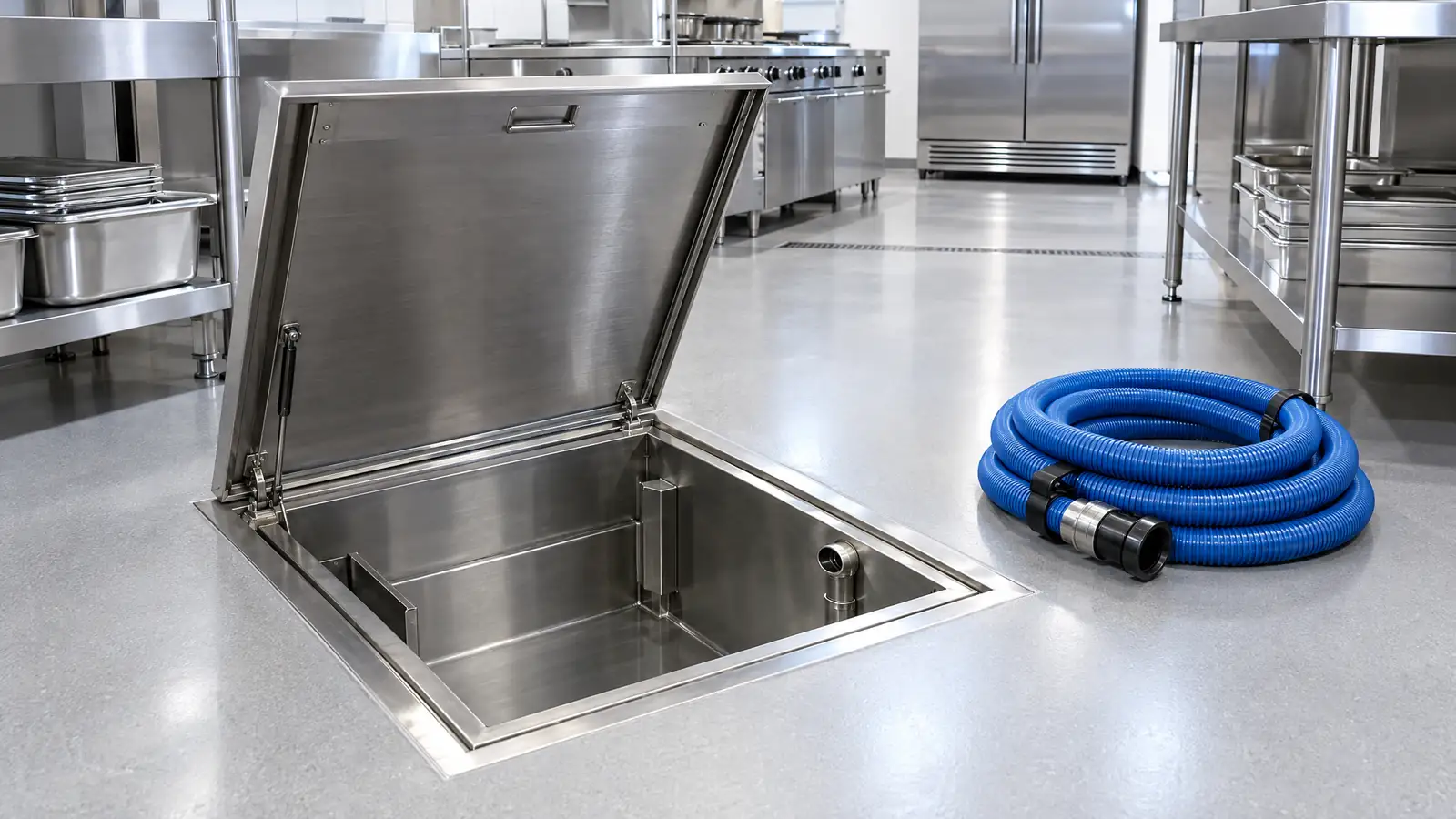
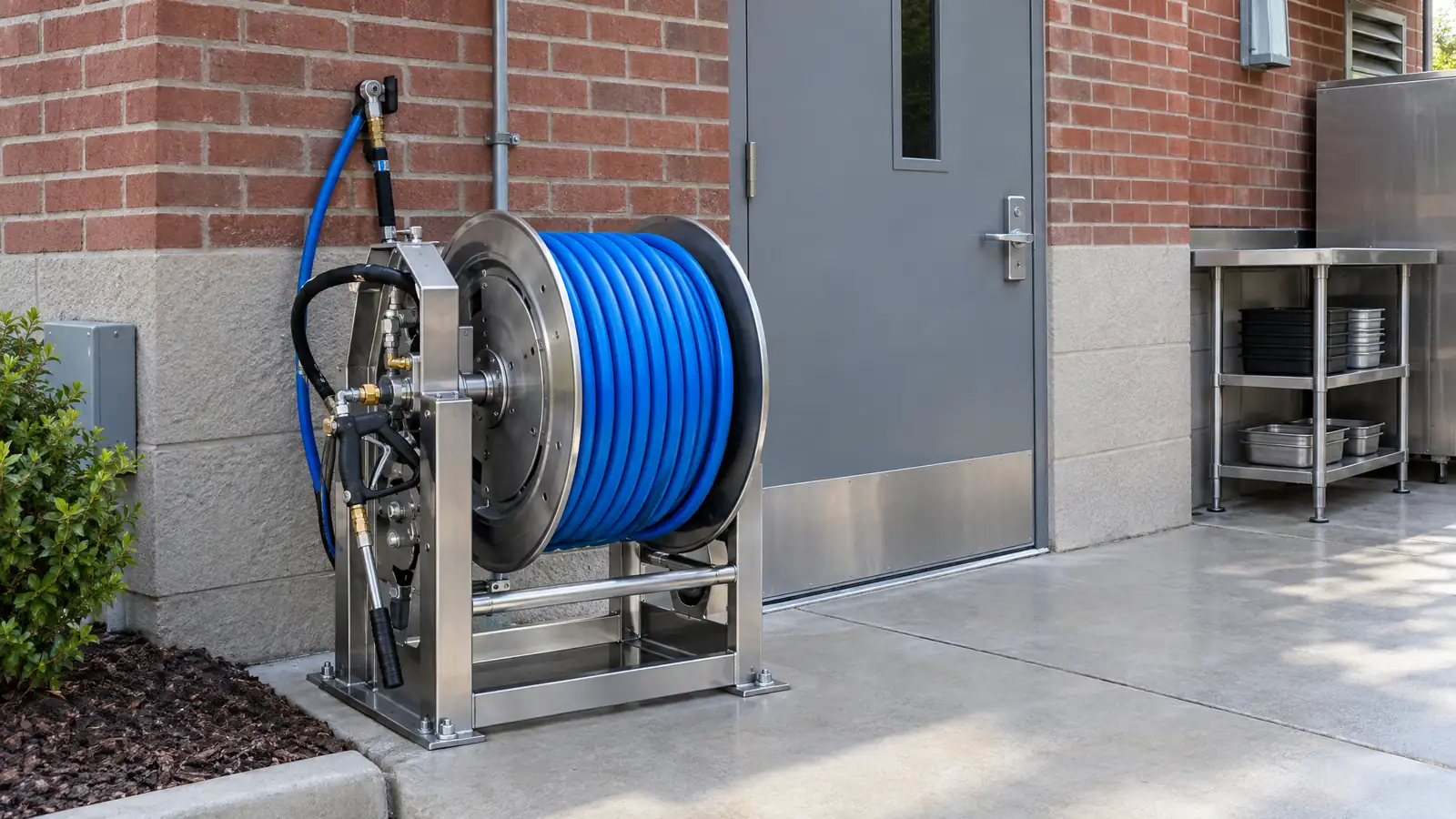
Traps need regular service and lines need regular jetting. A trap that is full does nothing, and a line that is half closed will fail on the busiest night. Put both on a calendar.
A scheduled program handles the dates for you.
Keep records
Write down when the trap is serviced, who did it and what was done. Keep oil-recycling receipts. If an inspector asks, you can show a history rather than explain.
Your records are your best evidence of good practice.
Quick answers
Are enzymes a substitute for a trap?
No. They can help between services but do not replace a trap or its service.
What do I do with used cooking oil?
Collect it in a container for a recycler. Never pour it down a drain.
Ready to put this on a schedule?
Call (615) 952-0844 or send the form below, and we will suggest a plan for your property.