Key takeaways
- A five-minute routine at close helps
- Strainers should be emptied every shift
- Hot water and brushes handle the surface
- Flag slow drains so the next visit can focus on them
Strainers and baskets
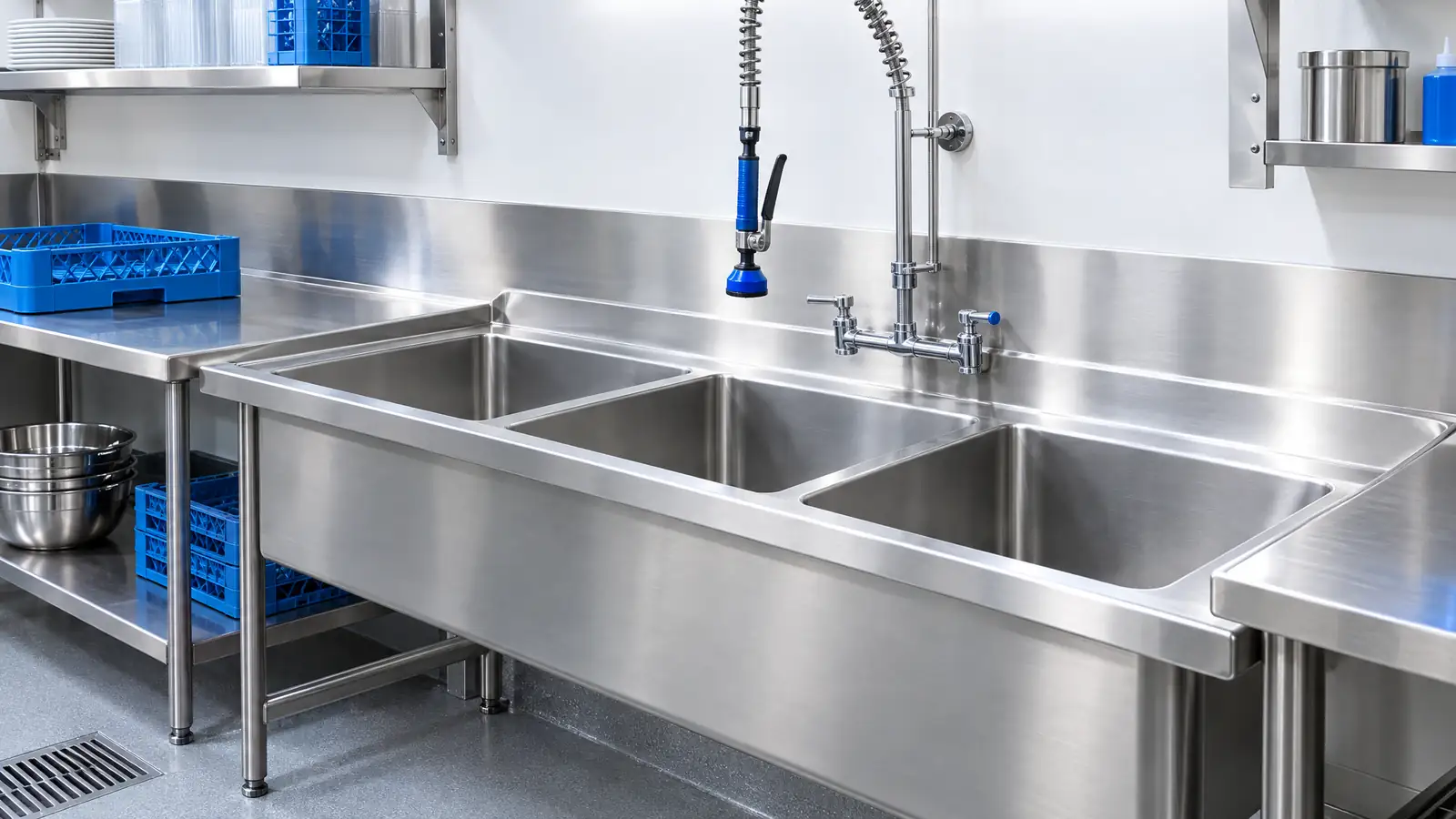
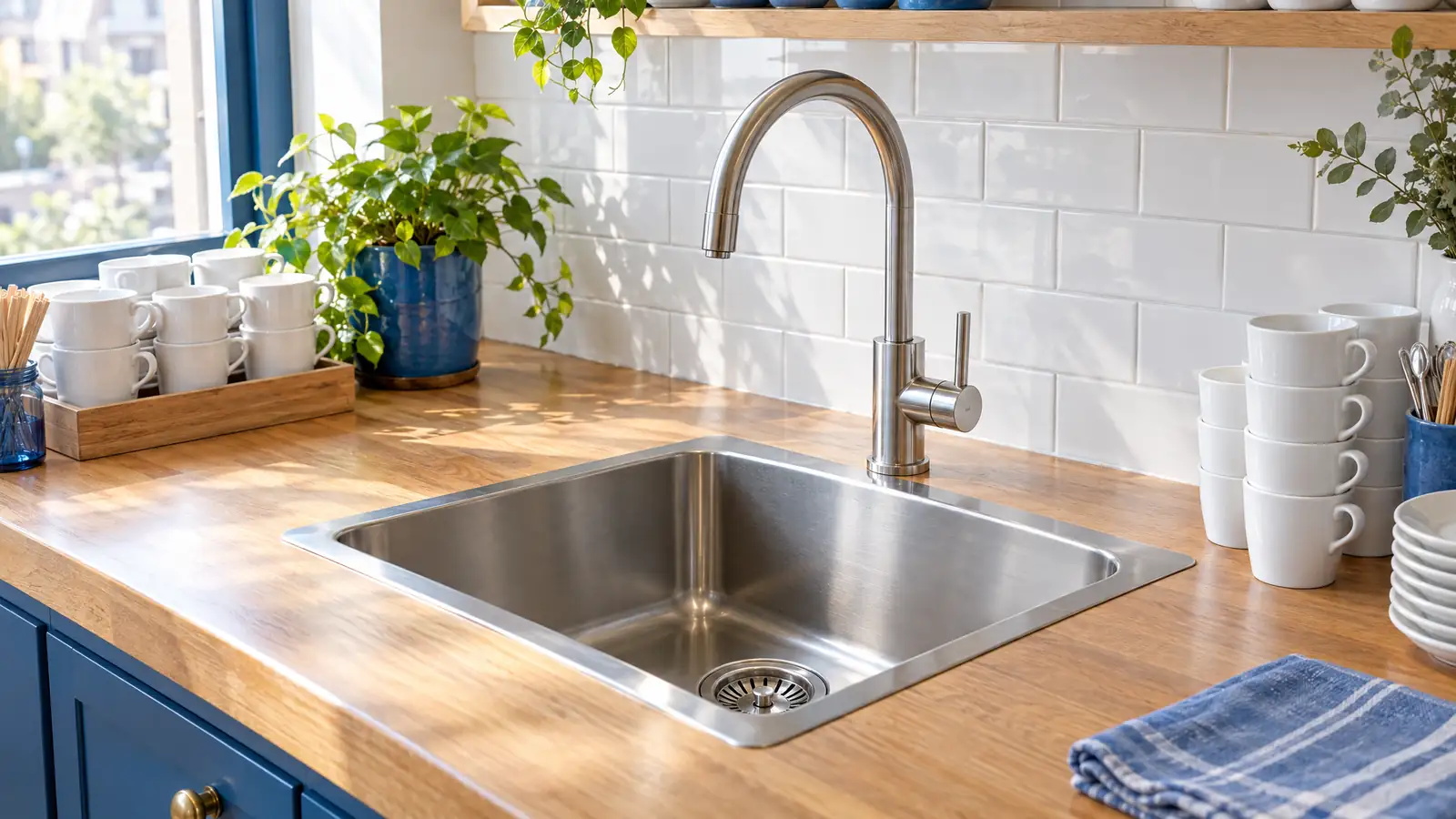
Empty every sink strainer and basket into the trash at the end of each shift, and rinse them. A full strainer pushes solids down the drain the moment it overflows.
Replace damaged strainers right away.
Surface cleaning
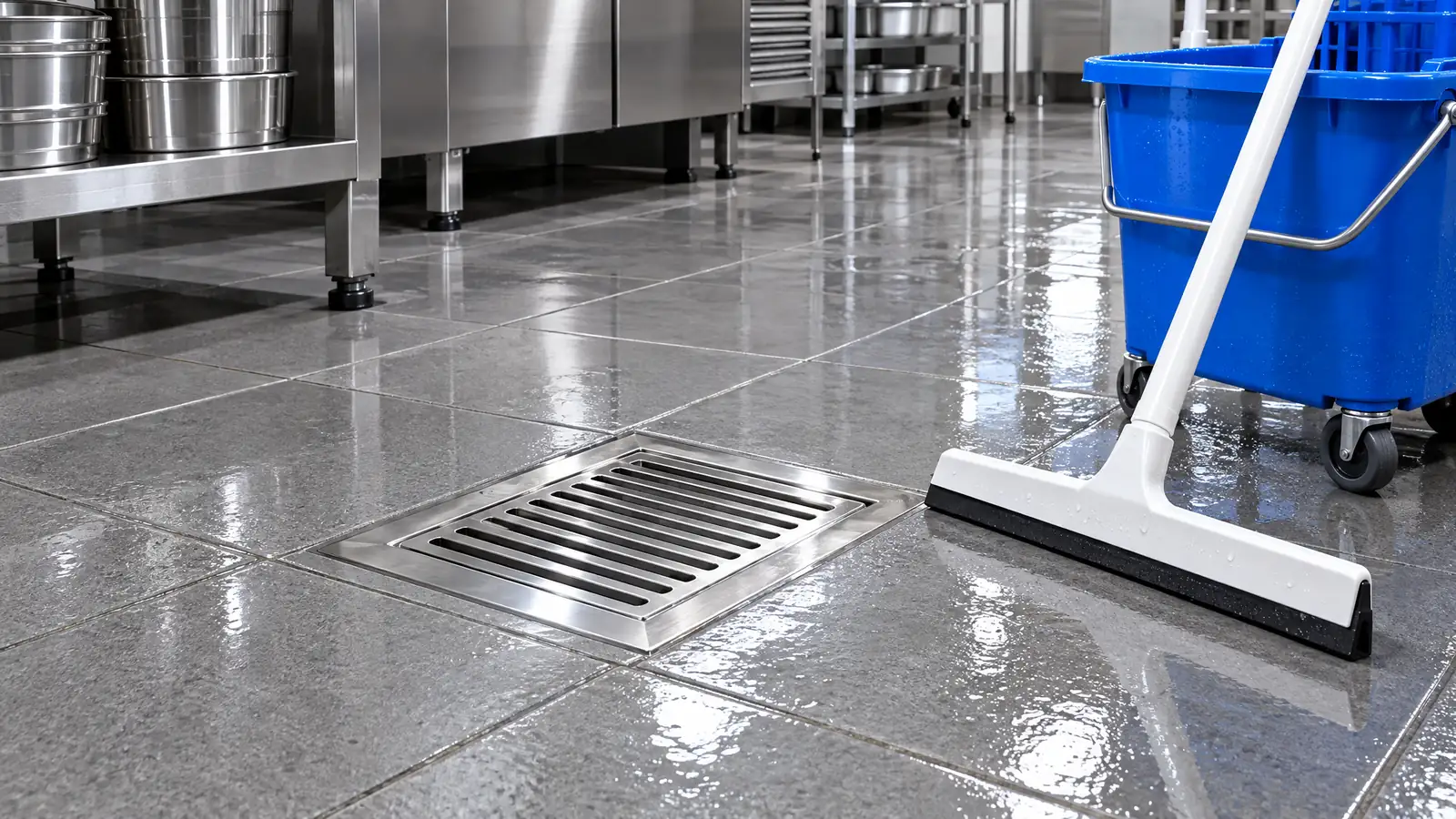
Lift the floor drain grates, scrape off debris, brush the rim and rinse with hot water. Do not hose solids down the drain. For bar and cafe drains, rinse sugary residue with warm water at close.
Put the grates back before you leave.
Watch for warnings
A drain that is slower than yesterday, a new gurgle or a sour smell are early warnings. Write them in the log and tell your service provider before the next visit.
Those notes make the visit more useful.
Use gentle helpers
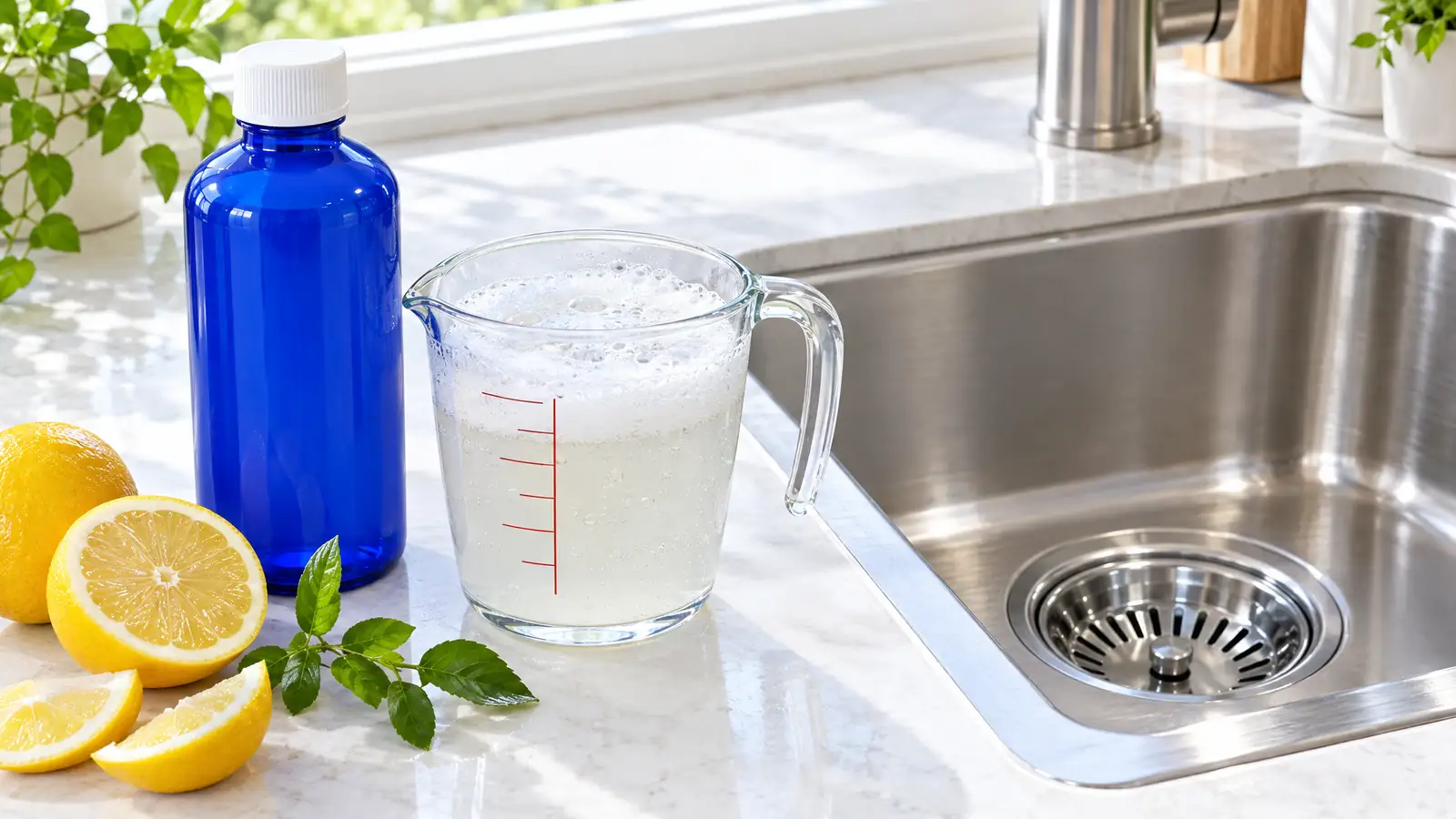
An enzyme treatment applied at night, when drains rest, can help keep odors and light buildup down. It supplements professional cleaning but does not replace it.
Avoid mixing different drain chemicals.
Quick answers
Who should do the closing routine?
Whoever closes. Put it on the checklist so it happens every night.
How do I know the routine is working?
Drains stay quick and odor-free between visits, and the service notes show less buildup.
Ready to put this on a schedule?
Call (615) 952-0844 or send the form below, and we will suggest a plan for your property.